.jpg)
Your garage floor withstands more daily wear and demanding conditions than almost any other surface in your home. Hot tires from summer road trips, corrosive road salt tracked in every winter, heavy toolboxes dropped during weekend projects. Most homeowners only think about their garage floor coatings after visible damage appears. This guide breaks down eight essential considerations that separate high-performance coatings from those that fail within a few seasons.
The difference between a floor coating that lasts a decade and one that peels within months often comes down to factors that product labels do not clearly explain. Garage Living has installed thousands of floor coatings across North America and has seen firsthand what holds up under real-world conditions.
8 things to know about durable garage floor coatings
- Garage Living Floortex®: The highest-performing polyaspartic system engineered for heat, salt, and heavy vehicle traffic.
- Polyaspartic coatings: Fast-curing formulas with strong UV stability for year-round application.
- Epoxy coatings: A widely available option that works in controlled environments with moderate use.
- Surface preparation: The single most important factor determining coating longevity.
- Hot tire pickup resistance: A critical consideration for garages with regular vehicle traffic.
- Salt and chemical resistance: Necessary protection for cold-climate homeowners.
- Cure time and return to service: Determines how long your garage stays out of commission.
- Professional installation vs. DIY: Why experience matters for premium results.
How we evaluated garage floor coating performance
Selecting the right garage floor coating means understanding how different materials perform under actual garage conditions. Showroom floors and laboratory tests do not replicate what happens when a 3,000-pound vehicle with sun-heated tires parks on your coating every afternoon.
- Heat tolerance: How the coating handles thermal stress from hot tires and temperature fluctuations throughout the year.
- Chemical resistance: Protection against road salt, oil drips, antifreeze, and common garage chemicals.
- Bonding characteristics: Whether the coating penetrates into concrete or simply sits on top of the surface.
- Durability under load: Resistance to abrasion, impact, and wear from vehicles and foot traffic.
- Installation requirements: Temperature ranges, cure times, and the expertise needed for proper application.
- Long-term appearance: UV stability to prevent yellowing and maintain a high-gloss finish over time.
The 8 things homeowners should know about garage floor coatings
1. Garage Living Floortex®: Premium polyaspartic performance for demanding conditions
Garage Living developed Floortex® specifically to address the shortcomings found in standard garage floor coatings. Unlike products formulated for general concrete applications, Floortex® handles the extreme conditions that residential garages experience in hot summers and cold winters alike.
The coating bonds deep into concrete rather than forming only a topical surface layer. This penetration creates adhesion that withstands the expansion and contraction cycles that cause cheaper coatings to crack and peel. Floortex® maintains its integrity when hot tires from summer highway driving park directly on the surface, a scenario that damages many epoxy formulations.
Professional installation crews complete most Floortex® projects in a single day. The rapid cure time means foot traffic can resume in approximately 12 hours and vehicle traffic in 24 to 96 hours. For busy families who rely on their garage daily, this minimal disruption makes a significant difference.
Read: Behind the flakes: What’s in your garage floor coating?
Floortex® features
- Deep penetration bonding: Forms a chemical bond within the concrete substrate rather than sitting on top of the surface.
- Hot tire pickup resistance: Engineered to handle thermal stress from heated vehicle tires without lifting or marking.
- Salt stain resistance: Protects against corrosive road salt that causes deterioration in cold climates.
- UV-stable top coat: Maintains color and gloss without yellowing from sunlight exposure through garage windows and open doors.
- Wide temperature application range: Can be installed in temperatures from -40°F to 104°F, allowing year-round scheduling.
Floortex® pros and cons
Pros:
- Backed by a ten-year limited warranty on materials and installation.
- Available in over a dozen floor coating colors with decorative flake options.
- Professional installation ensures proper surface preparation and application.
Cons:
- Requires professional installation rather than DIY application.
- Higher material quality means a greater initial investment than basic floor paint.
- Scheduling depends on local Garage Living availability.
2. Polyaspartic coatings: Fast curing with strong performance characteristics
Polyaspartic coatings represent an advancement in concrete floor technology that addresses several limitations found in traditional epoxy systems. These formulas cure faster, tolerate broader temperature ranges during application, and resist UV damage that causes yellowing over time.
The chemistry behind polyaspartic coatings allows them to form flexible yet durable films. This flexibility helps the coating move with concrete as temperatures change, reducing the cracking and delamination that rigid coatings often experience in garages without climate control.
Polyaspartic coating features
- Rapid cure time: Returns to foot traffic in 12 hours compared to days required for standard epoxy.
- UV stability: Clear top coats resist yellowing and maintain appearance in sunlit areas.
- Temperature flexibility: Expands and contracts with concrete rather than cracking.
Polyaspartic coating pros and cons
Pros:
- Faster project completion reduces garage downtime.
- Works in a wider range of installation temperatures than epoxy.
- Resists hot tire pickup in most formulations.
Cons:
- Short pot life requires experienced application technique.
- Quality varies significantly between manufacturers and installers.
- Not recommended for DIY installation due to fast curing.
3. Epoxy coatings: A familiar option with specific limitations
Epoxy floor coatings have been available for decades and remain a common choice, particularly through DIY kits sold at home improvement stores. Two-part epoxy systems create hard, chemical-resistant surfaces when properly applied to well-prepared concrete.
However, epoxy's limitations become apparent under demanding garage conditions. The material is sensitive to temperature during application, requiring conditions between 50°F and 90°F for proper curing. Hot tire pickup remains a common problem, especially with thinner DIY formulations that lack the film thickness needed for thermal resistance.
Epoxy coating features
- Established technology: Widely available with extensive application documentation.
- Chemical resistance: Protects against oil, gasoline, and common garage fluids.
- Color options: Available in various solid colors and with decorative flakes.
Epoxy coating pros and cons
Pros:
- Lower initial material cost compared to polyaspartic formulations.
- DIY kits make self-installation possible for those with experience.
- Long cure time provides more working time during application.
Cons:
- Susceptible to hot tire pickup, which can lift the coating.
- Yellows with UV exposure in areas receiving sunlight.
- Requires specific temperature and humidity conditions for proper curing.
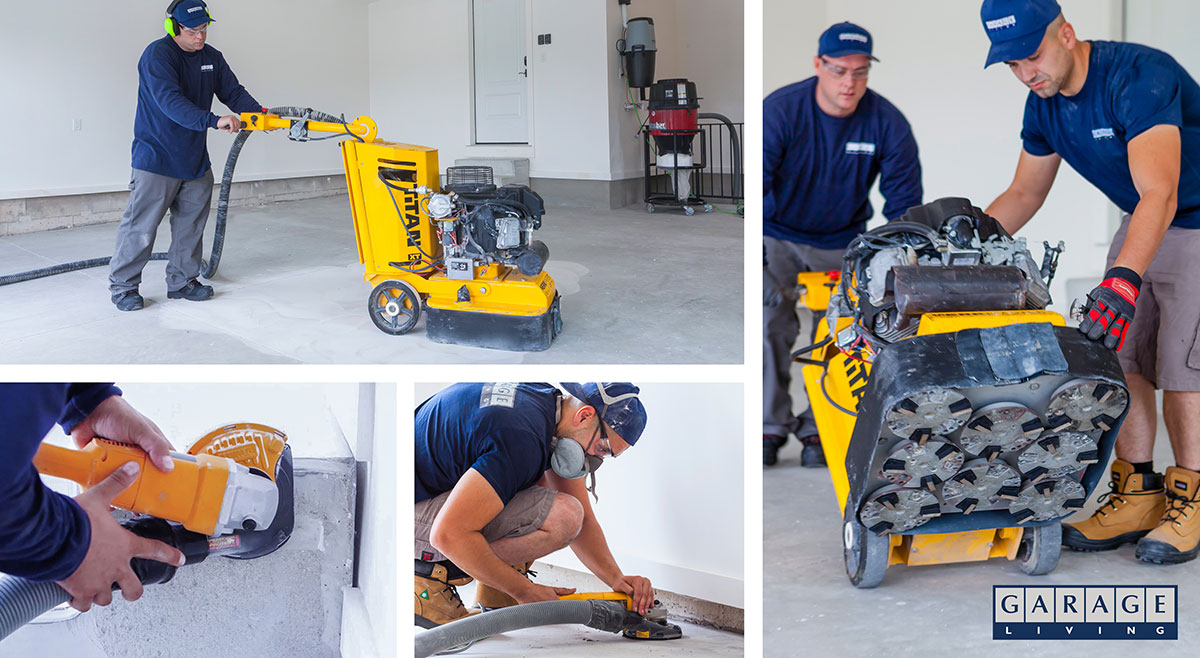
4. Surface preparation: Why proper prep determines coating success
The most expensive coating materials will fail within months if applied to improperly prepared concrete. Surface preparation removes contaminants, opens the concrete pores, and creates the profile needed for mechanical and chemical bonding.
Diamond grinding produces the ideal surface profile for polyaspartic and professional-grade epoxy coatings. This process removes existing coatings, adhesives, and the thin layer of weak concrete called laitance that forms during initial curing. Acid etching, commonly recommended in DIY kits, produces inconsistent results and does not remove oil contamination that prevents adhesion.
Crack repair and moisture testing add time to projects but prevent failures that waste your entire coating investment. Garage Living crews assess every floor for moisture levels, existing damage, and contamination before beginning any coating application.
5. Hot tire pickup resistance: A critical factor for vehicle storage
When you drive your vehicle, tire temperatures can exceed 150°F. Parking on a coating that cannot handle this heat causes a phenomenon called hot tire pickup, where the warm rubber softens the coating surface and bonds to it. When you drive away, the coating lifts off in patches.
This problem affects many epoxy coatings, particularly thinner DIY formulations. The issue worsens in summer months and in regions with hot climates where both air temperatures and road surfaces contribute to elevated tire temperatures.
Polyaspartic coatings like Floortex® resist hot tire pickup because of their chemical formulation and proper film thickness. The coating maintains its integrity rather than softening when exposed to heated tires, keeping your floor unmarked through years of daily vehicle use.
6. Salt and chemical resistance: Protection for cold-climate garages
Road salt causes significant damage to unprotected concrete floors. The salt draws moisture into the concrete, then the freeze-thaw cycle creates internal pressure that causes spalling, pitting, and surface deterioration. Oil, antifreeze, and battery acid add additional chemical stress.
Quality floor coatings create a barrier that prevents these substances from reaching the concrete. Floortex® offers extremely high chemical resistance and specifically resists salt stains, making it well-suited for homeowners in northern states who track in road treatment chemicals throughout winter.
When evaluating any coating for a cold-climate garage, verify that the manufacturer specifically rates the product for salt resistance. Generic claims about chemical resistance may not include testing against the specific corrosive compounds used for winter road treatment.
7. Cure time and return to service: Getting your garage back quickly
Cure time determines how long your garage remains unusable after coating installation. Epoxy coatings typically require 24 hours before light foot traffic and five to seven days before parking vehicles. This extended timeline creates significant inconvenience for families who use their garage daily.
Polyaspartic coatings cure much faster due to their chemical formulation. Floortex® allows foot traffic in approximately 12 hours and vehicle traffic within 24 to 96 hours, depending on conditions. This rapid turnaround means a floor coating project started in the morning can accommodate walking by the next morning.
For garage makeover projects that include cabinets and storage systems alongside flooring, the fast cure time of polyaspartic coatings helps contractors complete installations efficiently without extended waiting periods between phases.
8. Professional installation vs. DIY: Understanding the trade-offs
DIY epoxy kits cost significantly less than professional installation, which makes them tempting for budget-conscious homeowners. However, the performance gap between properly installed professional coatings and typical DIY results often makes the initial savings costly in the long run.
Professional installers bring equipment that most homeowners cannot economically acquire, including industrial diamond grinders that produce consistent surface profiles. They understand how temperature, humidity, and concrete moisture affect application and can adjust techniques accordingly.
Polyaspartic coatings require professional application because their short pot life leaves little room for error. The 30-minute working window demands experience and the coordinated effort of at least two people to complete the application before the material begins hardening.
Comparison table: Garage floor coating options for heat, salt, and heavy use
| Feature | Floortex® (Garage Living) | Polyaspartic (General) | Epoxy |
|---|---|---|---|
| Hot Tire Pickup Resistance | ✓ | ✓ | ✗ |
| Salt Stain Resistance | ✓ | Varies | Moderate |
| UV Stability | ✓ | ✓ | ✗ |
| Foot Traffic Return | 12 hours | 12-24 hours | 24-48 hours |
| Vehicle Traffic Return | 24-96 hours | 24-48 hours | 5-7 days |
What questions should you ask before selecting a garage floor coating?
Choosing the right floor coating requires asking specific questions that reveal how a product or installer will perform in your particular situation. Generic marketing claims rarely tell you what you need to know about long-term durability.
Start by asking about the coating's tested resistance to hot tire pickup. Request documentation or references from installations in similar climates. Ask whether the installer performs moisture testing and what happens if elevated moisture is detected in your concrete.
Inquire about warranty coverage and what conditions void that warranty. Some warranties only cover material defects and exclude installation problems. Others require specific maintenance routines that void coverage if not followed. Understanding these details before installation prevents disappointing surprises later.
Finally, ask about the complete installation process, including surface preparation methods, number of coats, and expected cure times. Installers who skip steps or rush applications often produce results that fail prematurely.
How do temperature extremes affect garage floor coating performance?
Temperature swings create significant stress on garage floor coatings. Concrete expands and contracts with temperature changes, and coatings must accommodate this movement without cracking or losing adhesion. Garages without climate control experience the full range of seasonal temperatures in most regions.
Epoxy coatings are relatively rigid, which makes them prone to cracking when concrete moves beneath them. Polyaspartic coatings offer superior flexibility, approximately 98% more than epoxy formulations. This elasticity allows the coating to stretch slightly with the concrete rather than separating from it.
Application temperature also matters significantly. Epoxy requires ambient temperatures between 50°F and 90°F for proper curing. Installing outside this range produces weak bonds and premature failure. Polyaspartic coatings tolerate a much wider temperature range, making them practical for installations throughout the year in most climates.
Garage Living's Floortex® Extreme Cold Weather System enables applications in temperatures as low as -40°F, allowing homeowners in cold climates to schedule their garage renovation during fall and winter when contractors have more availability.
Why Garage Living Floortex® offers the strongest protection for demanding garage conditions
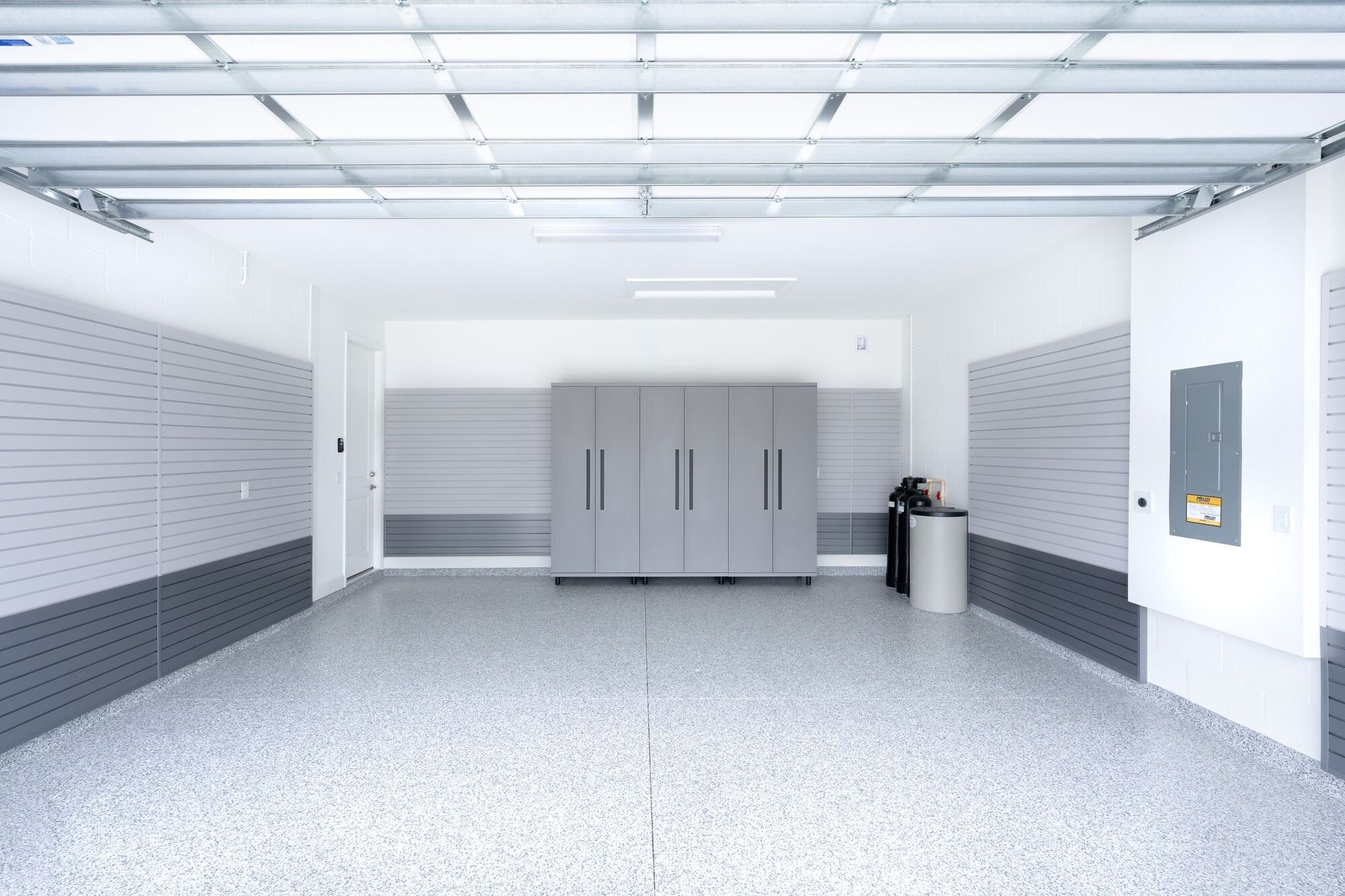
After examining the factors that determine coating performance in real garage conditions, Floortex® stands out as the clear choice for homeowners who want lasting results. The combination of deep concrete bonding, hot tire resistance, salt protection, and UV stability addresses every major challenge that causes garage floor coatings to fail.
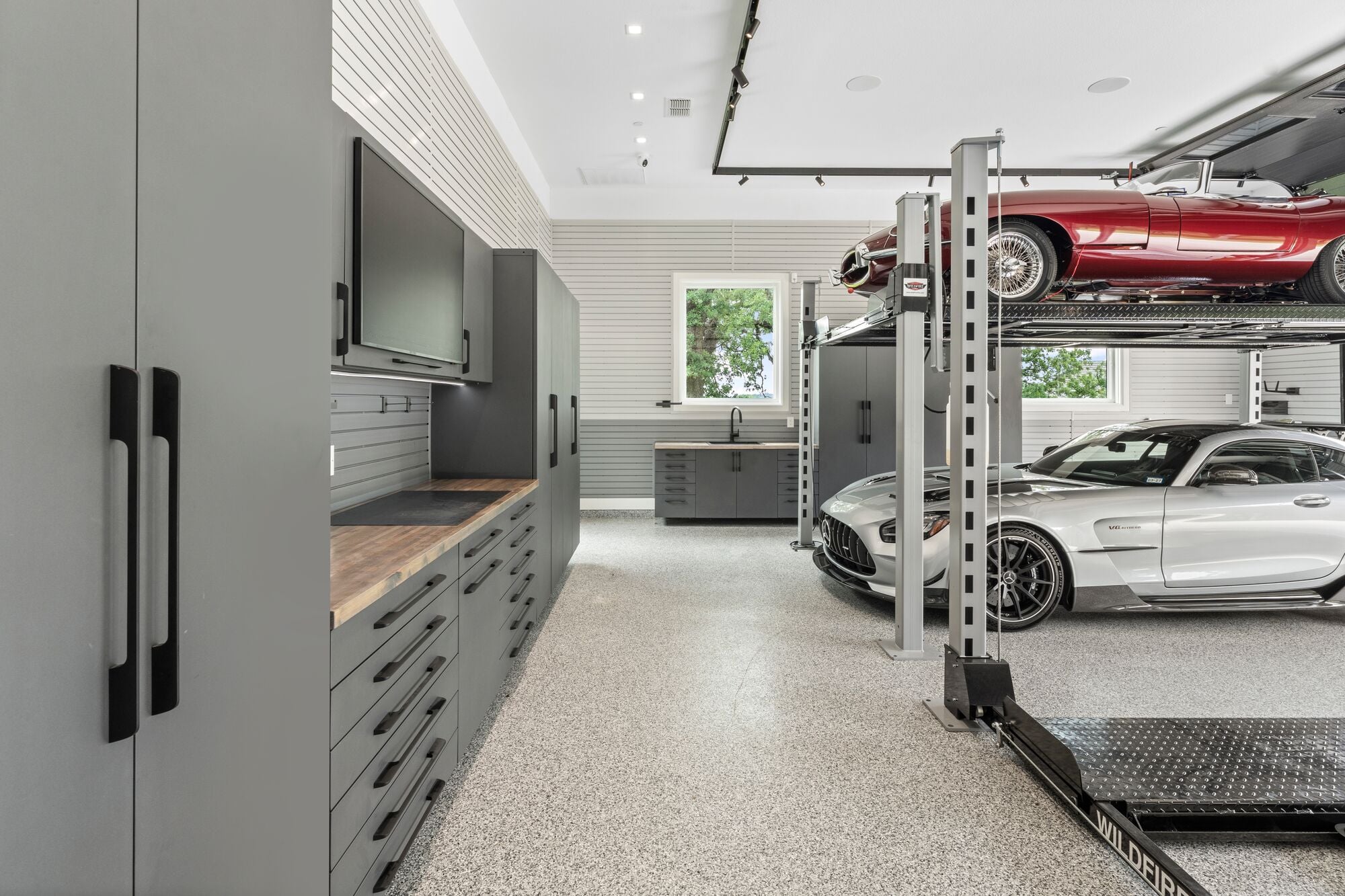
Garage Living brings more than the coating itself to your project. The complete garage renovation approach ensures your floor works together with cabinets, slatwall organization systems, and overall design. Professional installation with diamond grinding surface preparation, crack repair, and precision application delivers the performance that quality materials are designed to provide.
The ten-year limited warranty reflects confidence in both the Floortex® formula and the installation process. Your garage floor should look impressive and perform reliably for years, not require recoating every few seasons like cheaper alternatives.
Schedule your complimentary design consultation with Garage Living to discuss how Floortex® can protect your garage floor against the heat, salt, and heavy use that typical coatings cannot handle.
FAQs about garage floor coatings for heat, salt, and heavy use
How long does a professional garage floor coating last compared to DIY options?
Professional polyaspartic coatings like Garage Living's Floortex® typically last a decade or more with proper care. DIY epoxy kits commonly need reapplication within two to five years because of thinner application, less effective bonding, and increased susceptibility to damage from hot tires and chemical exposure.
Can garage floor coatings be applied in cold weather?
Standard epoxy coatings require temperatures above 50°F for proper curing, limiting installation to warmer months in many regions. Garage Living's Floortex® can be applied in temperatures as low as -40°F using their Extreme Cold Weather System, making winter installation possible throughout the United States.
What causes hot tire pickup on garage floor coatings?
Hot tire pickup occurs when elevated tire temperatures soften the coating surface, causing the rubber to bond to the floor. When the vehicle moves, the coating lifts off in patches. Polyaspartic coatings resist this because their chemical formulation maintains integrity at higher temperatures than epoxy can withstand.
How do I protect my garage floor from road salt damage?
A quality floor coating creates a barrier between corrosive road salt and your concrete. Garage Living's Floortex® is specifically formulated for high salt stain resistance, preventing the freeze-thaw damage cycles that cause uncoated and poorly coated concrete to deteriorate in cold climates.
Why does surface preparation matter so much for garage floor coatings?
Surface preparation determines whether the coating bonds properly to your concrete. Diamond grinding removes contaminants and weak surface layers while creating the profile needed for adhesion. Skipping or rushing this step causes premature coating failure regardless of material quality.
What is the fastest-curing garage floor coating available?
Polyaspartic coatings cure the fastest among professional-grade options, with Floortex® allowing foot traffic in approximately 12 hours and vehicle traffic within 24 to 96 hours. Epoxy coatings require five to seven days before vehicle traffic, creating significant inconvenience during installation.