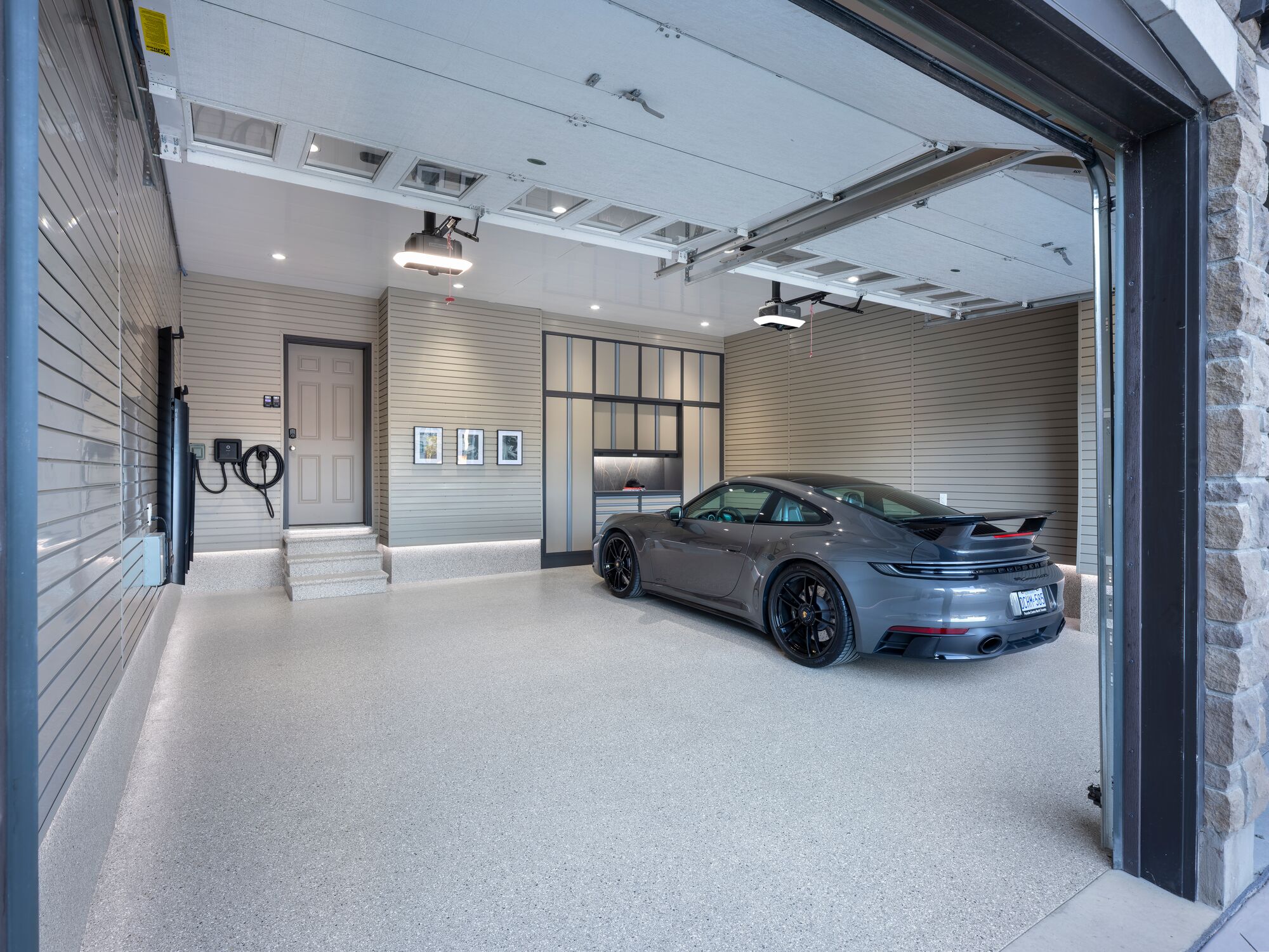
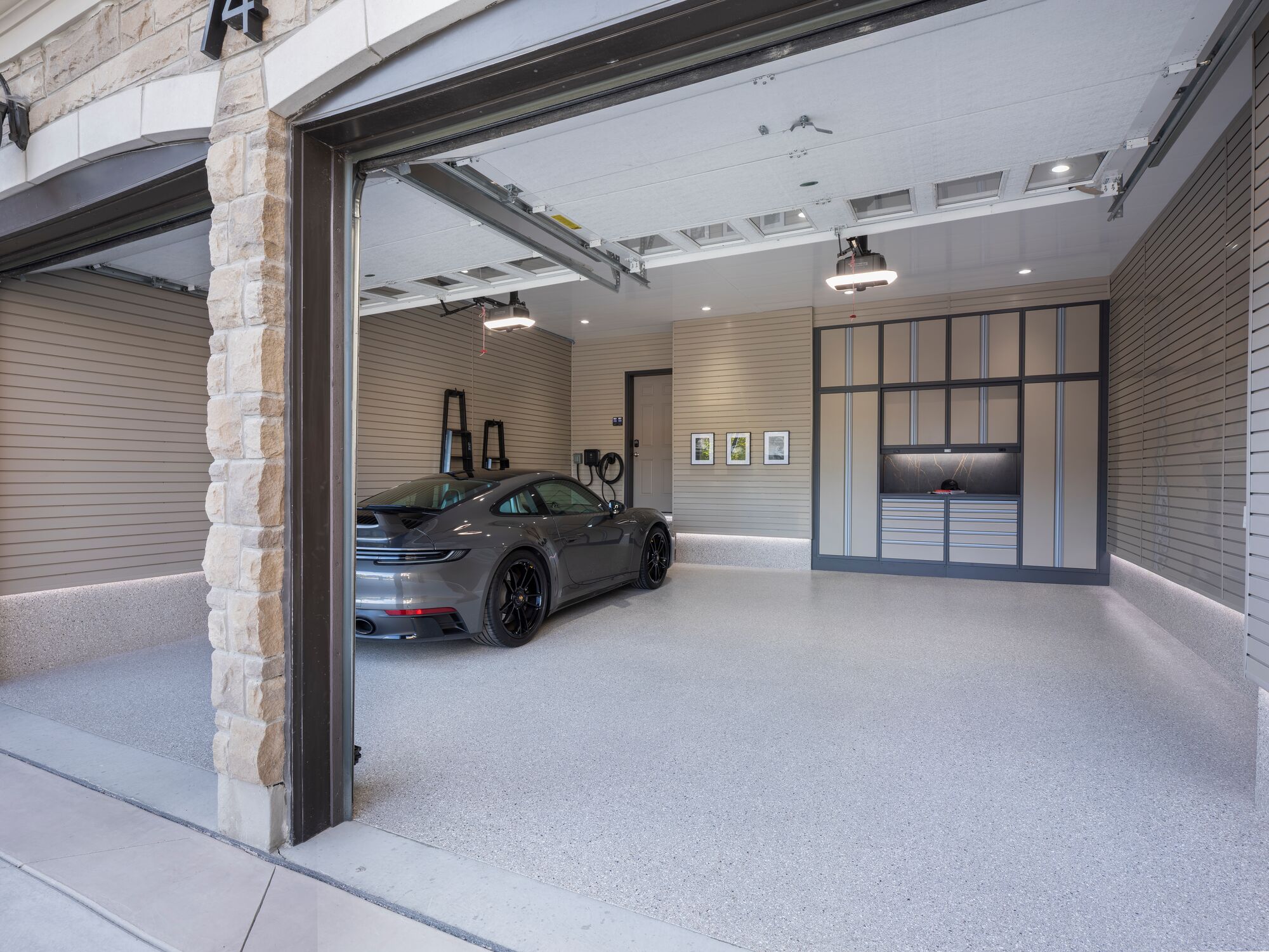
Canadian winters put garage floors through conditions most homeowners underestimate. Freeze-thaw cycles, road salt tracked in on tires, and standing meltwater attack bare concrete from the inside out. If you've noticed pitting, white salt stains, or cracks spreading across your slab, those are signs of damage that compounds every season.
Garage Living helps homeowners protect their garage floors with professionally installed polyaspartic coatings designed to resist the specific threats Canadian winters create. This guide covers the winter hazards your garage floor faces and the upgrades that hold up against them.
Winter-proof garage flooring
- Freeze-thaw cycles crack bare concrete by expanding trapped moisture inside the slab repeatedly each season.
- Road salt corrodes unprotected concrete and accelerates surface spalling, pitting, and discoloration over several winters.
- Polyaspartic coatings stay flexible at temperatures well below freezing, unlike epoxy coatings that turn brittle.
- Garage Living installs Floortex polyaspartic coatings that resist salt, chemicals, and hot tire pickup year-round.
- Professional surface preparation, including diamond grinding and crack repair, determines how long any coating lasts.
Winter threats that damage Canadian garage floors
1. Freeze-thaw cycles and concrete deterioration
Concrete is porous. Water from melted snow seeps into those pores and, when temperatures drop overnight, that water expands as it freezes. The pressure pushes the concrete apart from the inside.
In most Canadian cities, this cycle happens dozens of times per winter. According to a 2025 review published in the journal Structures, repeated freeze-thaw exposure is a primary mechanism behind concrete surface scaling and cracking.
Garage slabs are especially vulnerable because they sit at grade level with minimal insulation beneath them, unlike basement floors below the frost line.
2. Road salt and de-icing chemical damage
Every vehicle that pulls into a Canadian garage during winter deposits a mix of sodium chloride, calcium chloride, and magnesium chloride onto the floor. These de-icing chemicals are corrosive to unprotected concrete surfaces.
Salt brine penetrates the pores of unsealed concrete and crystallizes as the water evaporates. That crystallization creates internal pressure similar to freeze-thaw damage, compounding the deterioration over time. Over several winters, the result is visible spalling, pitting, and permanent white staining that cleaning alone cannot fully remove.
3. Moisture accumulation and hot tire pickup
Melted snow and slush pool on garage floors for months during a Canadian winter. Constant moisture exposure softens certain floor coatings and allows water to migrate beneath the surface, where it causes further freeze-thaw damage.
Hot tire pickup is another concern. When warm tires sit on a soft or poorly bonded coating, the heat can cause the coating to adhere to the rubber. As the vehicle moves, the coating lifts and peels. This problem is common with lower-grade epoxy coatings and thin paint-based products.
4. Abrasion from sand, grit, and winter equipment
Sand and gravel tracked in from winter roads act as abrasives on your garage floor every time you walk or drive across them. Snow blowers, shovels, and salt spreaders stored on the floor add to the physical wear over months of repeated use.
Over several seasons, this abrasion dulls coated surfaces and accelerates the breakdown of bare concrete. A floor coating with high abrasion resistance protects the slab from constant grinding and keeps the surface intact for years longer than uncoated concrete.
5. Humidity and hydrostatic pressure from below
In many regions of Canada, clay-heavy soil beneath the garage pushes moisture upward through the concrete slab throughout the year. This hydrostatic pressure can cause a poorly bonded coating to bubble, lift, and eventually delaminate from the concrete surface entirely, leaving the slab exposed again.
Professional installers test for moisture levels before applying any floor coating. Experienced teams know that skipping this step is one of the most common reasons coatings fail within the first few winters, regardless of the product's quality or cost.
6. UV exposure and coating degradation
Garages with south-facing doors or significant window exposure receive direct sunlight that degrades certain coating types over time. Standard epoxy coatings are particularly prone to yellowing and chalking under prolonged UV exposure, which dulls the floor's finish noticeably over a few seasons.
Polyaspartic coatings are UV-stable, meaning they maintain their colour and high-gloss appearance even with years of direct sunlight exposure. For garages that double as workshops, hobby spaces, or entertaining areas, this resistance to UV damage keeps the floor looking clean and consistent.
Garage flooring upgrades built for Canadian winters
7. Polyaspartic coatings: the cold-climate standard
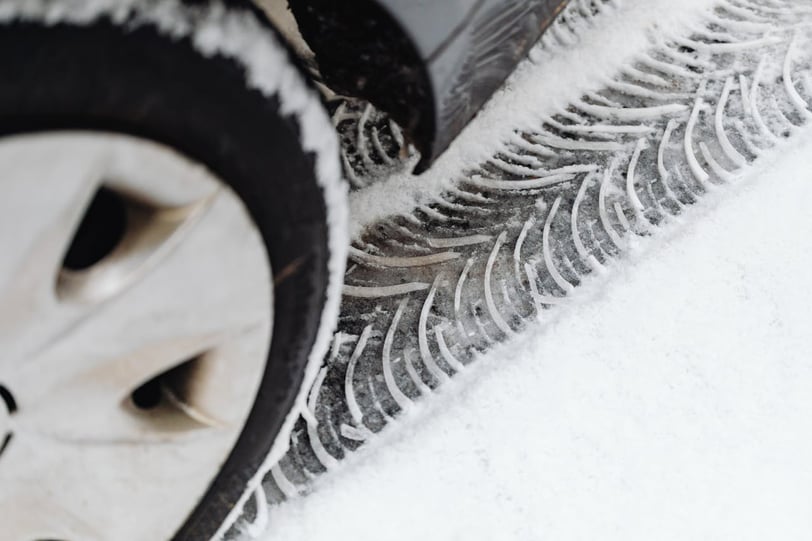
Polyaspartic coatings have become the preferred choice among professional installers in cold climates for well-documented reasons. They remain flexible at temperatures well below freezing, expanding and contracting with the concrete instead of cracking against it during temperature swings.
Garage Living's Floortex polyaspartic coating bonds deep into the concrete rather than sitting on the surface like most standard products. This deep bond resists delamination from moisture migration and freeze-thaw pressure, while also standing up to salt stains, automotive fluids, and hot tire pickup.
8. Polyaspartic vs. epoxy: why the coating type matters
Epoxy coatings have been a common garage floor option for decades, but they have real limitations in Canadian conditions. Standard epoxy requires minimum temperatures of 10 to 13°C for application, ruling out fall and winter installations across most of the country.
Once cured, epoxy becomes rigid and works against the slab during freeze-thaw shifts, leading to micro-cracking and peeling. Polyaspartic coatings are roughly 98 to 100% more flexible, cure in hours rather than days, and maintain their bond through extreme temperature swings.
9. Surface preparation: the step that determines everything
No coating, regardless of material quality, performs well on a poorly prepared surface. Professional garage floor preparation starts with diamond grinding, which opens the concrete's pores and creates a surface profile that allows the coating to penetrate deeply.
Crack and spall repair addresses existing damage before the new coating goes down. Moisture testing confirms that the slab's moisture levels are suitable for adhesion. Garage Living's installation teams follow this multi-step preparation process on every project, which is why Floortex coatings maintain their bond through years of Canadian winter conditions.
10. Full-broadcast decorative flake systems
Decorative flakes are more than a visual feature. When broadcast across the coating between the base and top layers, they add texture that improves slip resistance on wet garage floors. In a Canadian winter, where water and slush sit on the floor for months, that added grip contributes to safety.
Flakes also help conceal salt residue, tire marks, and minor imperfections between cleanings. Garage Living offers over a dozen Floortex colour options so the floor's look works with the rest of your garage design.
11. Baseboard coatings for complete winter sealing
Applying a coating to the lower wall area where the floor meets the wall creates a continuous seal that prevents water from entering gaps at the base of the wall. In winter, meltwater flows toward these gaps and, without a baseboard coating, can cause hidden moisture damage inside the wall cavity.
Polyaspartic coatings are well suited for vertical surfaces because of their fast cure time. Epoxy is not formulated for vertical application, as it runs down the wall before hardening.
12. Winter maintenance for coated garage floors
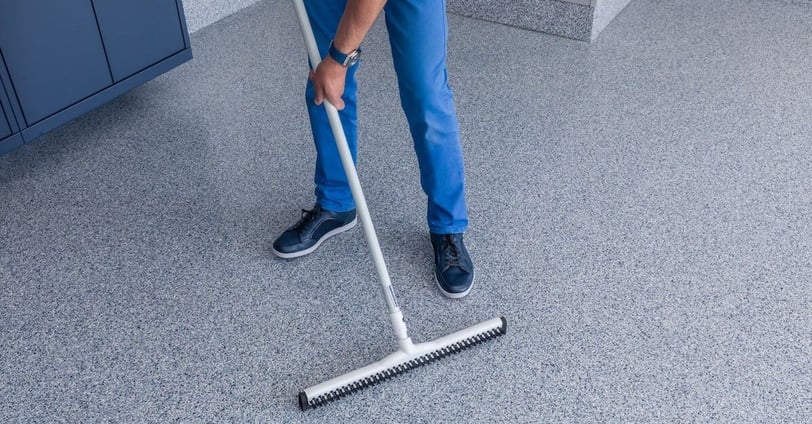
A professionally coated floor simplifies winter garage maintenance considerably. Salt, slush, and water sit on the sealed surface rather than soaking into the concrete. A squeegee or push broom removes standing water in minutes, keeping the space functional.
Regular sweeping during winter prevents salt and grit from dulling the finish. When spring arrives, a rinse with a pH-neutral cleaner restores the floor's appearance. Garage Living recommends cleaning the floor throughout winter to keep abrasive particles from accumulating on the surface.
How to choose winter-ready garage flooring
Selecting the right garage flooring for a Canadian climate comes down to matching the coating's performance characteristics to the actual conditions your garage faces. Consider how many vehicles park inside, whether the garage is heated or unheated, and how much salt and moisture your region produces each winter.
A professionally installed polyaspartic coating like Garage Living's Floortex addresses the full range of Canadian winter threats: freeze-thaw flexibility, salt and chemical resistance, UV stability, and hot tire pickup prevention. Combined with proper surface preparation and optional cabinetry and storage upgrades, the garage becomes a functional, organized extension of your home year-round.
If your concrete is showing signs of winter damage, addressing it before the next freeze season prevents compounding deterioration. A complimentary Garage Living design consultation can assess your floor's current condition and recommend the right approach for your space.
Read: Winter-Ready Garage: Protect Your Car and Upgrade Your Space
FAQs about winter-proof garage flooring
What causes garage floor spalling in Canadian winters?
Spalling happens when water trapped inside concrete pores freezes and expands, breaking the surface apart from below. Road salt accelerates this process by increasing the number of freeze-thaw cycles the moisture undergoes. A sealed polyaspartic coating prevents water and salt from entering the concrete in the first place.
Can polyaspartic coatings be applied during winter?
Yes. Polyaspartic coatings cure reliably in cold temperatures, and Garage Living's Floortex system can be applied in conditions as cold as -40°C. This makes winter an excellent time to schedule a garage floor coating project, especially since lead times are often shorter during colder months.
How does road salt damage a coated garage floor?
On a properly installed polyaspartic floor, road salt sits on the sealed surface without penetrating. It dries into a residue that can be swept or rinsed away. On bare or poorly coated concrete, salt brine soaks in and crystallizes, causing pitting and scaling over time.
What is hot tire pickup and how do you prevent it?
Hot tire pickup occurs when warm tires soften a floor coating and bond to its surface. As the vehicle moves, the coating lifts. Polyaspartic coatings like Floortex have high heat tolerance and resist this issue. Standard epoxy and paint-based coatings are more susceptible.
How long does a polyaspartic garage floor coating last?
A professionally installed polyaspartic coating typically lasts a decade or more with regular maintenance. Garage Living backs Floortex installations with a limited warranty. By comparison, consumer-grade epoxy kits often need re-application within a few years, particularly in harsh winter climates.
Does Garage Living offer complete garage renovations beyond flooring?
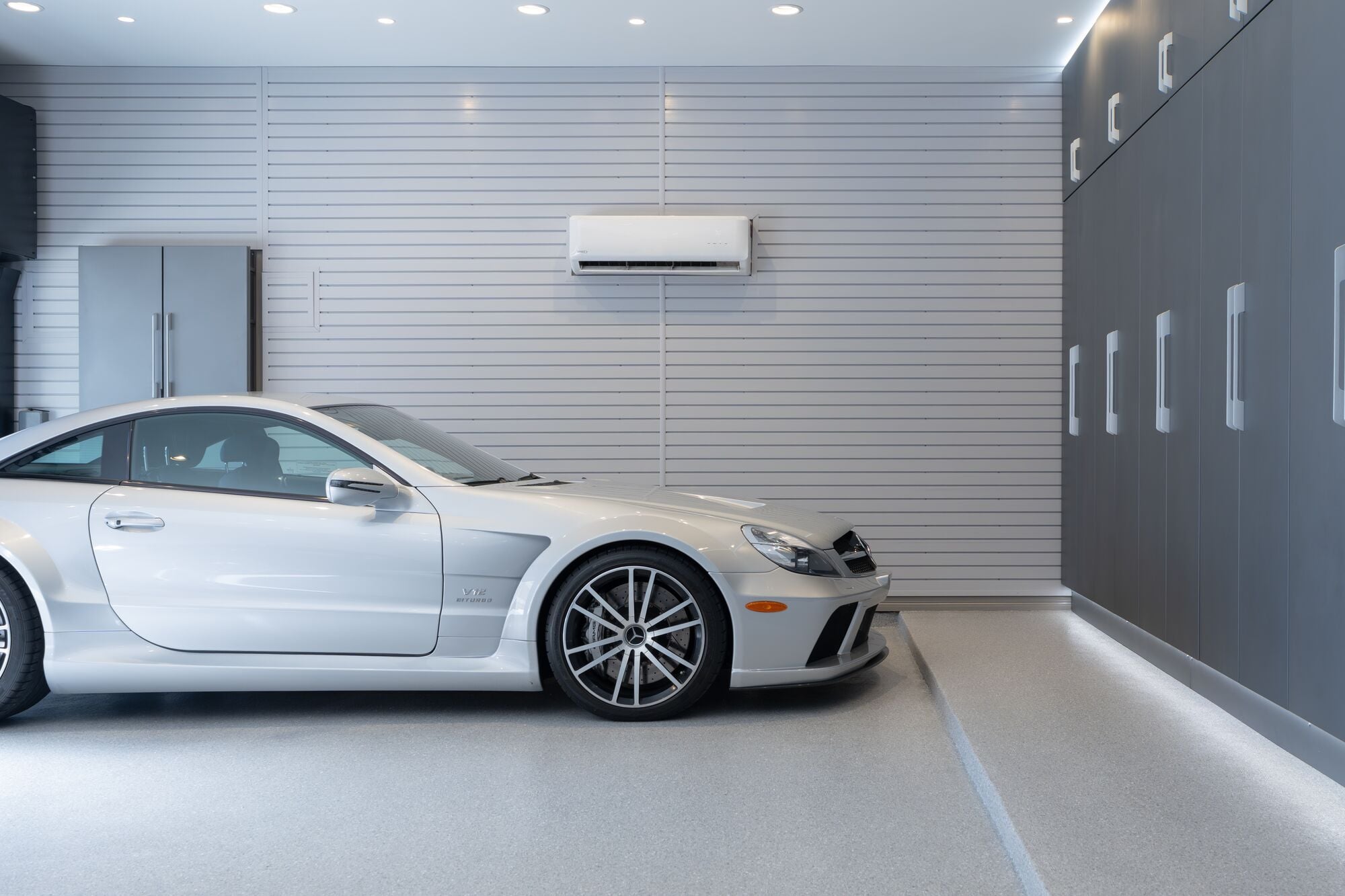
Yes! Garage Living provides full garage transformations that combine flooring, cabinetry, slatwall systems, overhead storage, and custom design. The floor coating is one component of a complete garage environment designed around how you actually use the space.