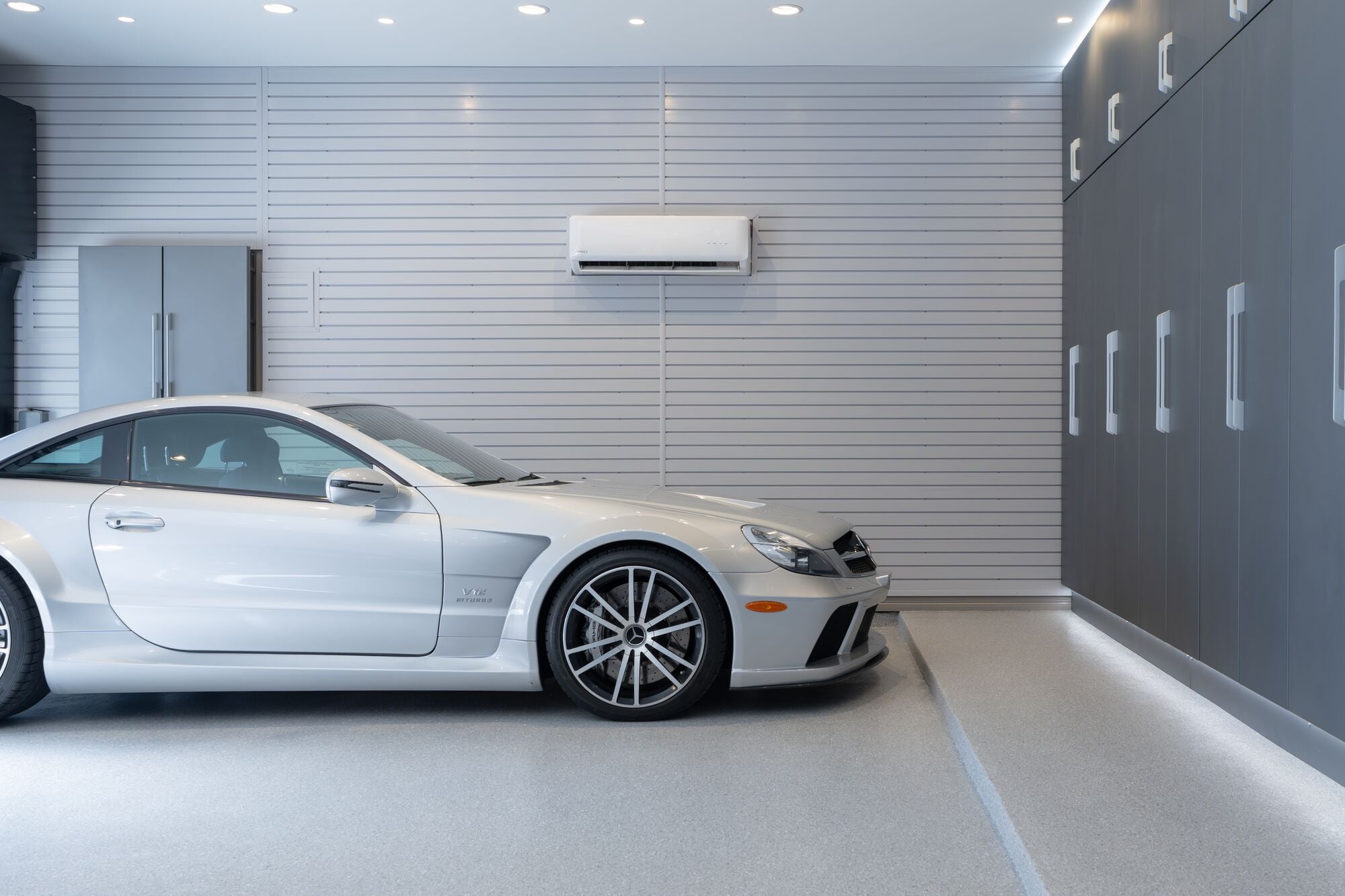
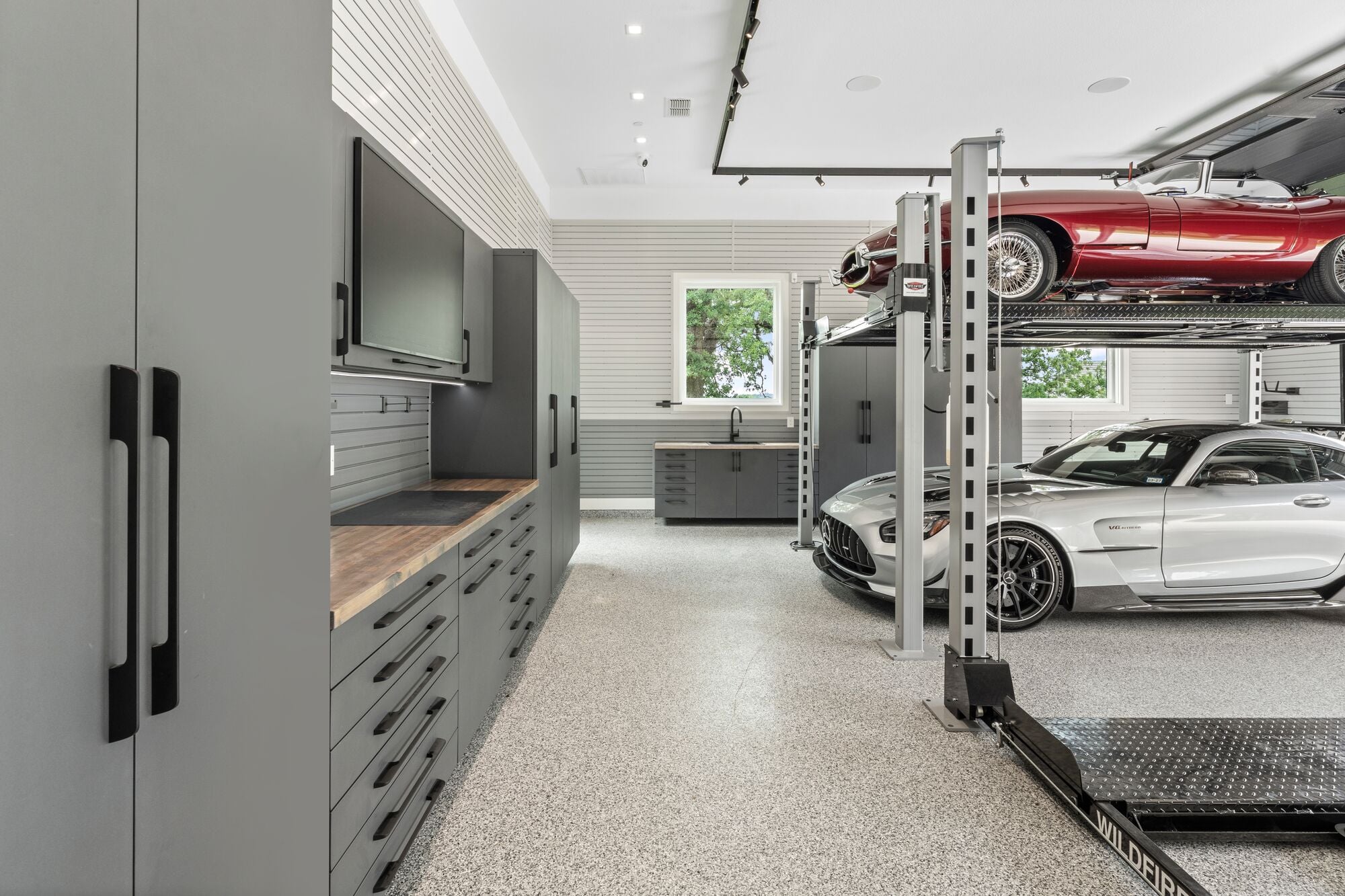
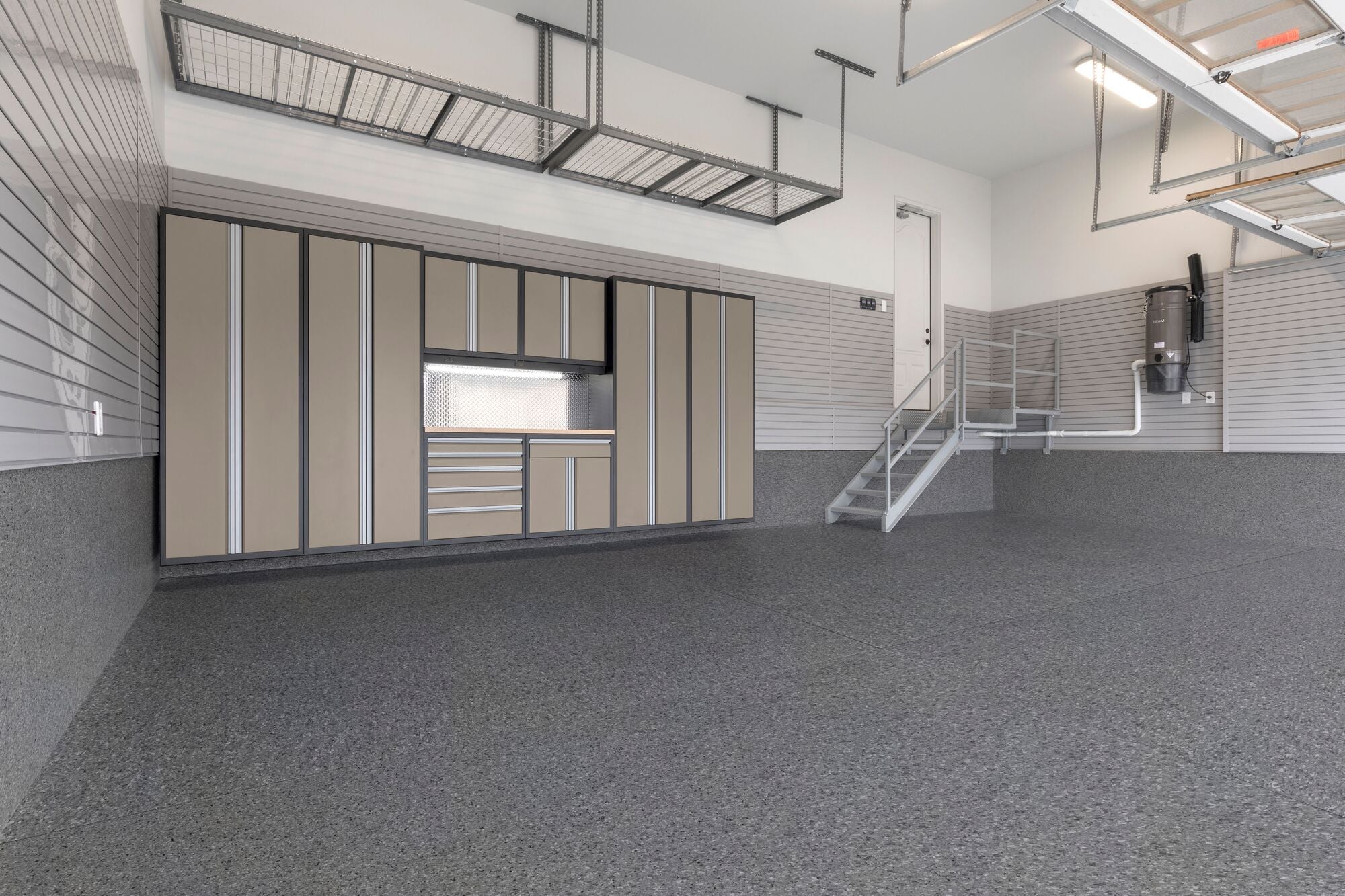
.jpg)
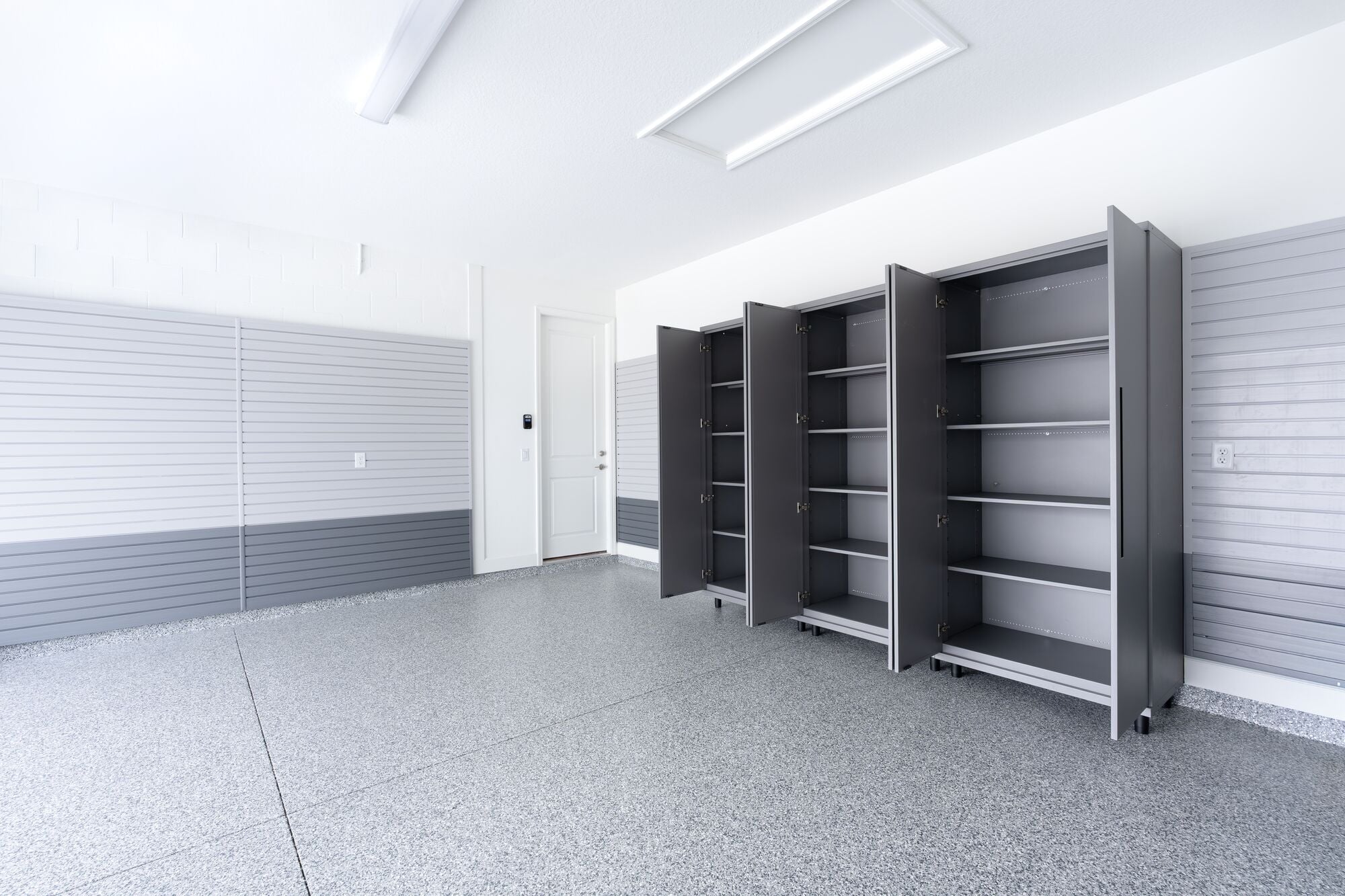
Choosing a durable garage flooring system can feel overwhelming when you're staring down three different coating types, each with its own set of performance claims. Epoxy, polyurea, and polyaspartic coatings all protect concrete, but they do so in different ways. Understanding those differences helps you invest in a floor that lasts for years rather than one that peels, yellows, or cracks under pressure.
Garage Living specializes in polyaspartic floor coatings engineered for residential garages. This article breaks down the seven most important factors that separate these coating types so you can make a confident decision for your home.
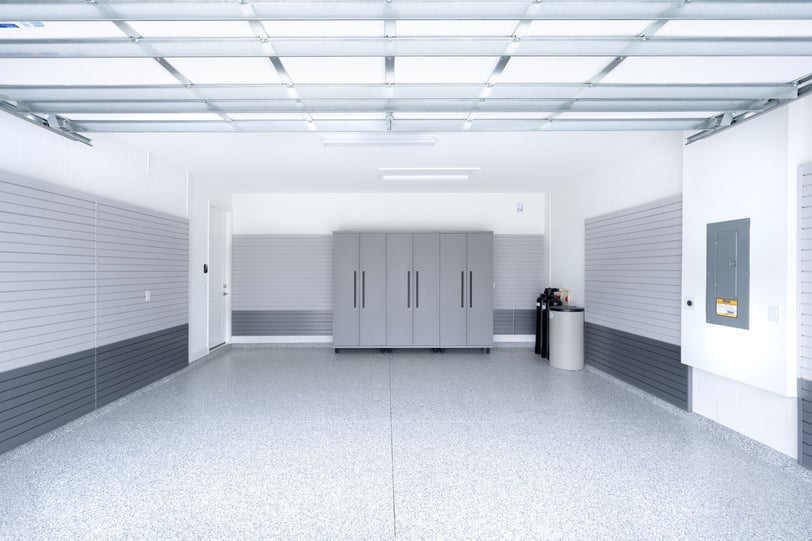
Durable garage floor coatings
- Polyaspartic coatings cure faster than epoxy, allowing same-day vehicle return in many installations.
- Epoxy coatings offer high chemical resistance but can yellow when exposed to UV light over time.
- Polyurea and polyaspartic coatings remain flexible, which helps them resist cracking in temperature extremes.
- Hot tire pickup is a common issue with standard epoxy floors but rarely occurs with polyaspartic systems.
- Garage Living's Floortex® coating bonds deep into concrete for long-lasting adhesion and durability.
What sets epoxy, polyurea, and polyaspartic coatings apart
1. Curing time and installation speed
Epoxy coatings typically require two to three days of curing before you can drive on them. The chemical reaction that hardens epoxy happens slowly, which means your garage stays off-limits longer. For homeowners who park daily or need quick access to storage, this extended downtime creates real inconvenience.
Polyaspartic coatings cure in a fraction of that time. Many installations allow foot traffic within 12 hours and vehicle traffic within 24 to 96 hours. This rapid cure rate comes from a faster chemical reaction that doesn't sacrifice durability. Garage Living's Floortex® system, for example, can often be completed in a single day, letting you return to normal use quickly.
2. UV stability and color retention
Exposure to sunlight causes standard epoxy floors to yellow and fade over time. This happens because epoxy lacks UV stability, making it a poor choice for garages with windows or doors that stay open frequently. A floor that looked bright white at installation can turn amber within a few years.
Polyaspartic coatings contain UV stabilizers that prevent yellowing and maintain a high-gloss finish for years. If your garage gets natural light or you want a floor that stays true to its original color, polyaspartic is the more reliable option. Floortex® from Garage Living maintains its appearance without fading, even in sun-drenched spaces.
3. Chemical and abrasion resistance
Garages see exposure to motor oil, gasoline, brake fluid, antifreeze, and road salt. All three coating types offer some level of chemical resistance, but performance varies. Epoxy resists many chemicals well, though it can soften or stain when exposed to certain solvents for extended periods.
Polyaspartic coatings deliver extremely high chemical resistance, handling everything from household cleaners to automotive fluids without degradation. Garage Living's professional installation includes thorough surface preparation that maximizes adhesion, ensuring that chemicals can't seep beneath the coating and cause peeling.
4. Hot tire pickup resistance
Hot tire pickup occurs when warm tires bond to a floor coating after you park. When you drive away, the coating peels up with the tire, leaving unsightly marks. This problem plagues many epoxy floors because epoxy softens at high temperatures.
Polyaspartic coatings have a higher heat tolerance, which means they resist hot tire pickup far more effectively. For homeowners who drive frequently or own vehicles with performance tires that generate extra heat, this difference matters significantly. Floortex® specifically resists hot tire pickup, protecting your investment from one of the most common garage floor failures.
5. Temperature tolerance during application
Epoxy coatings have a narrow application window. They require temperatures between 50°F and 90°F to cure properly. Cold temperatures slow the curing process dramatically, while heat can cause the epoxy to set too quickly, resulting in bubbles or uneven coverage.
Polyaspartic coatings can be applied in a much wider temperature range, sometimes as low as -40°F and as high as 140°F. This flexibility makes polyaspartic coatings suitable for year-round installation in virtually any U.S. climate. Whether you live in Minnesota or Arizona, you won't have to wait for perfect weather to get your floor done.
6. Flexibility and crack resistance
Concrete expands and contracts with temperature changes. A rigid coating that can't flex with this movement will eventually crack or delaminate. Epoxy is relatively rigid, which makes it vulnerable in regions with extreme temperature swings between seasons.
Polyurea and polyaspartic coatings maintain flexibility even after curing. This elasticity allows them to move with the concrete rather than fight against it. For homeowners in climates with harsh winters or hot summers, a flexible coating prevents the cracks and chips that can expose the concrete beneath. Garage Living's complete makeovers pair durable flooring with custom storage solutions designed for long-term performance.
7. Maintenance and long-term durability
All three coating types create a non-porous surface that's easier to clean than bare concrete. However, long-term maintenance requirements differ. Epoxy floors may need recoating every five to ten years, depending on traffic levels and environmental exposure.
Polyaspartic floors typically last 15 to 20 years or longer with proper care. Their superior resistance to abrasion, chemicals, and UV damage means less frequent touch-ups and repairs. Garage Living offers a ten-year limited warranty on Floortex® projects, giving homeowners peace of mind that their floor will perform as promised.
How to choose the right coating for your garage
The right garage floor coating depends on how you use your space and where you live. If quick installation matters and you want a floor that resists yellowing, hot tire pickup, and chemical exposure, polyaspartic coatings outperform epoxy in every category. Epoxy can work for light-duty garages with minimal sun exposure, but it falls short when durability and aesthetics need to last.
Garage Living provides complimentary design consultations to help you evaluate your garage's needs. Our team assesses your concrete condition, discusses your usage patterns, and recommends the flooring solution that fits your lifestyle. With professional installation and premium materials, a Floortex® floor coating gives you a surface built to last.
Ready to see what a professional-grade garage floor looks like? Visit a Garage Living showroom to touch and see our products firsthand, or schedule your free consultation today.
FAQs about durable garage floor coatings
What is the most durable garage floor coating available?
Polyaspartic coatings rank as the most durable option for residential garages. They offer superior abrasion resistance, chemical resistance, and UV stability compared to epoxy. Garage Living's Floortex® system bonds deep into concrete for maximum adhesion and longevity.
How long does polyaspartic garage floor coating last?
Polyaspartic coatings typically last 15 to 20 years with proper maintenance. Factors like traffic levels, cleaning habits, and climate can affect longevity. Garage Living backs Floortex® installations with a ten-year limited warranty.
Does epoxy flooring yellow over time?
Yes, standard epoxy floors yellow when exposed to UV light. Garages with windows or frequently open doors experience faster discoloration. Polyaspartic coatings include UV stabilizers that prevent yellowing and maintain their original appearance.
Can garage floor coatings handle extreme temperatures?
Polyaspartic coatings handle extreme temperatures better than epoxy. They remain flexible in cold weather and resist softening in heat. This makes polyaspartic ideal for garages in climates with harsh winters or hot summers.
What causes garage floor coating to peel?
Peeling typically results from poor surface preparation, moisture in the concrete, or using a coating that can't handle hot tire pickup. Professional installation that includes proper diamond grinding and crack repair prevents these failures.
How soon can I drive on a new garage floor coating?
Epoxy floors require four to seven days before vehicle traffic. Polyaspartic coatings like Floortex® allow driving within 24 to 96 hours, depending on conditions. Garage Living's fast-curing system minimizes downtime so you can use your garage sooner.