.jpg)
Planning a garage renovation involves more than selecting a floor coating and ordering a few cabinets. Without a clear design strategy, homeowners often end up with wasted square footage, storage systems that fail under real conditions, and floors that peel within months.
Garage Living helps homeowners avoid these pitfalls by integrating premium flooring, cabinetry, and storage into a single coordinated system. This article covers the most common mistakes that undermine garage renovations and explains how to make smarter decisions at each stage.
Garage renovation mistakes to avoid
- Poor surface preparation causes floor coatings to peel, bubble, and delaminate within months of installation.
- Ignoring moisture testing leads to coating failures as vapor pressure builds beneath the sealed surface.
- Generic storage systems often fail in garage environments due to temperature swings and humidity exposure.
- Garage Living creates integrated designs that address flooring, storage, and layout as one coordinated system.
- Skipping professional design consultations results in inefficient layouts that waste valuable garage space.
Common garage renovation mistakes that ruin your space
1. Skipping proper floor surface preparation
Surface preparation is the foundation of any successful garage floor coating. Most DIY kits rely on acid etching or pressure washing, which clean the concrete but fail to create the mechanical profile needed for coatings to bond properly.
Professional installers use diamond grinding to open concrete pores and remove contaminants. Without this step, coatings sit on top of the slab rather than bonding into it, leading to peeling and delamination. A floor that looks great for one month can fail completely by month three.
2. Ignoring moisture testing before coating
Concrete slabs often contain moisture vapor that creates pressure beneath sealed coatings. When this vapor has nowhere to escape, it causes bubbling, blistering, and cloudy discoloration that ruins even the most expensive floor systems.
Testing for moisture before application identifies problem areas early. Professionals understand regional climate conditions and adjust materials accordingly. Garage flooring systems from Garage Living account for these variables with proper preparation protocols.
3. Choosing low-quality floor coatings
DIY garage floor coatings are designed for easy application rather than long-term durability. These products often have low solids content, weak adhesion strength, and minimal resistance to UV exposure, chemicals, and abrasion.
Hot tire pickup remains one of the most common failures. When you park a car with warm tires on a standard coating, the heat softens the material and creates a bond between tire and floor. The next morning, the coating peels right off. Floortex coatings resist hot tire pickup and cure faster than traditional epoxy systems.
4. Installing storage without measuring first
Homeowners frequently purchase storage systems without measuring their garage dimensions, vehicle clearances, or door swing paths. This results in garage cabinets that block walkways, overhead racks that interfere with garage door operation, or wall systems that prevent cars from parking properly.
Measure every element before purchasing anything. Account for the space your vehicles need when doors are open, and leave room for movement around stored items. A professional CAD visualization helps you see exactly how components will fit before installation begins.
5. Treating storage as an afterthought
Many homeowners install flooring first and then try to add storage systems later. This approach often results in mismatched aesthetics, poor space utilization, and systems that do not integrate with each other.
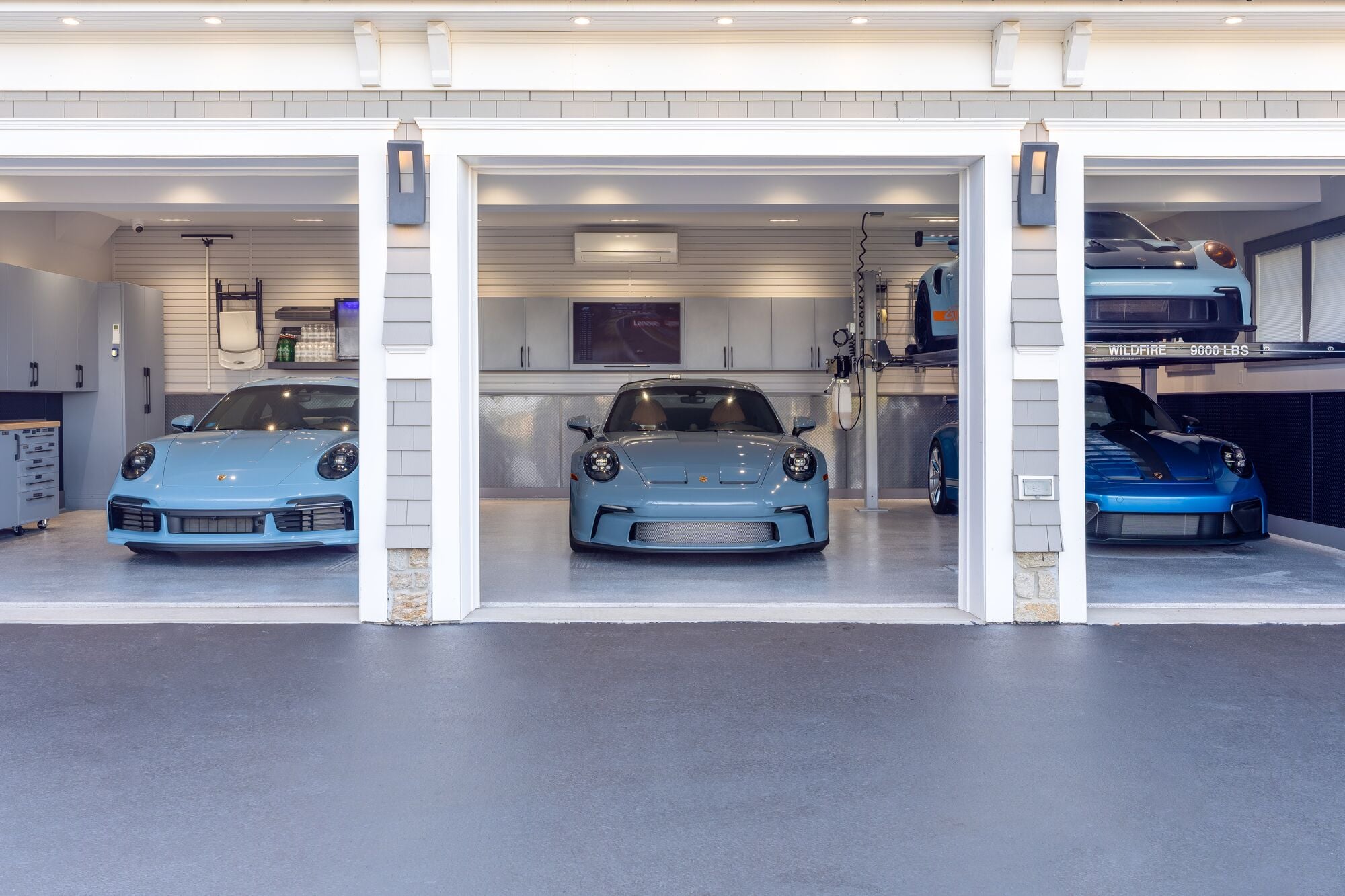
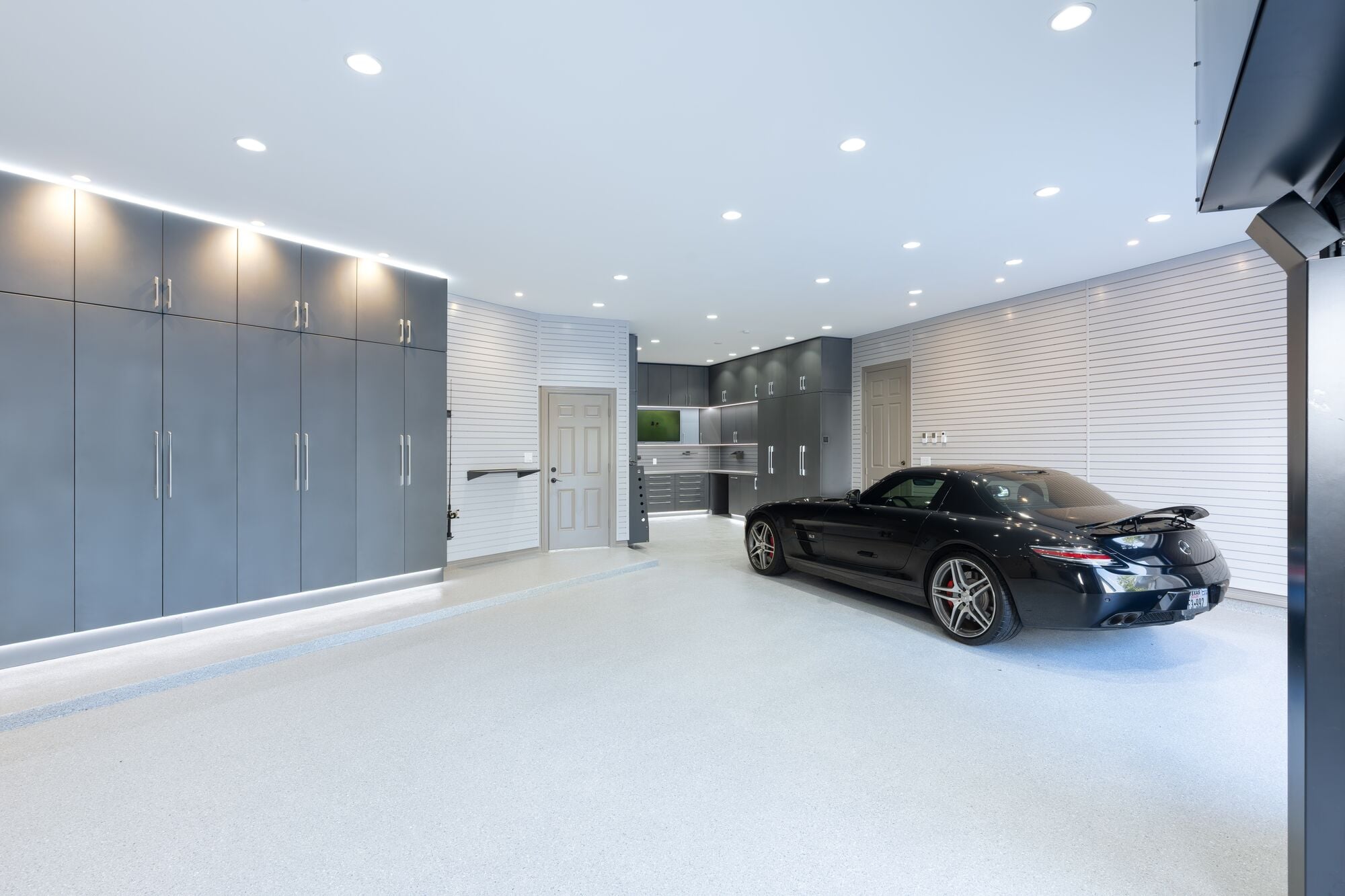
A coordinated approach considers flooring, slatwall panels, cabinetry, and overhead storage as parts of a unified design. Garage Living creates complete garage makeovers that address every element simultaneously, resulting in spaces that function as intended from day one.
6. Overlooking vertical wall space
Floor space gets all the attention while walls remain underutilized. Slatwall systems, wall-mounted racks, and vertical storage systems can reclaim significant square footage that would otherwise be wasted.
Consider what you need to store and how often you access it. Seasonal items can go on overhead racks, while frequently used tools belong on slatwall within arm's reach. A smart vertical strategy keeps the floor clear for vehicles while maximizing total storage capacity.
7. Buying retail storage that cannot handle garage conditions
Storage systems sold at retail stores are often designed for climate-controlled indoor environments. These products may warp, rust, or deteriorate when exposed to the temperature swings and humidity levels common in garages.
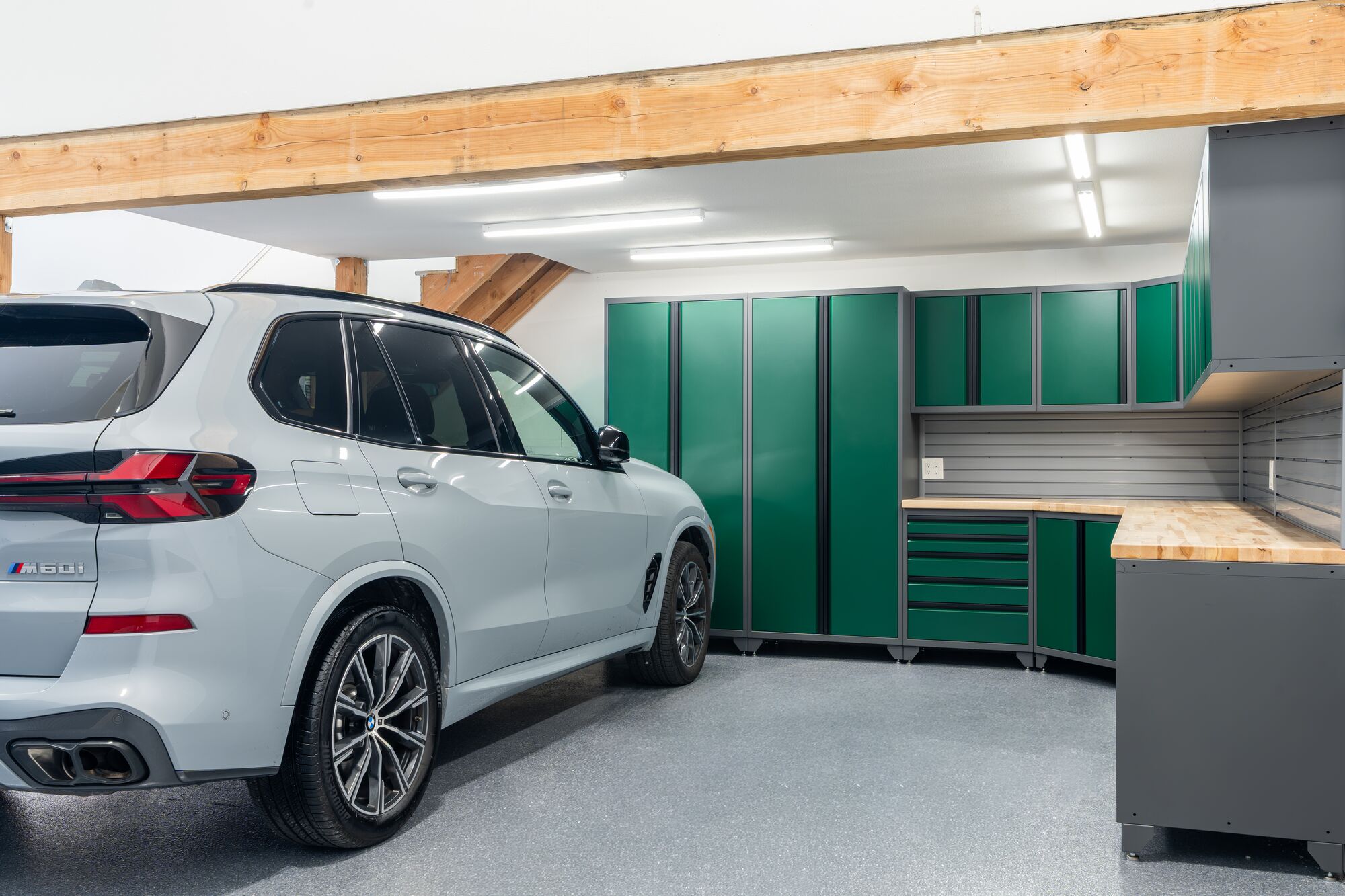
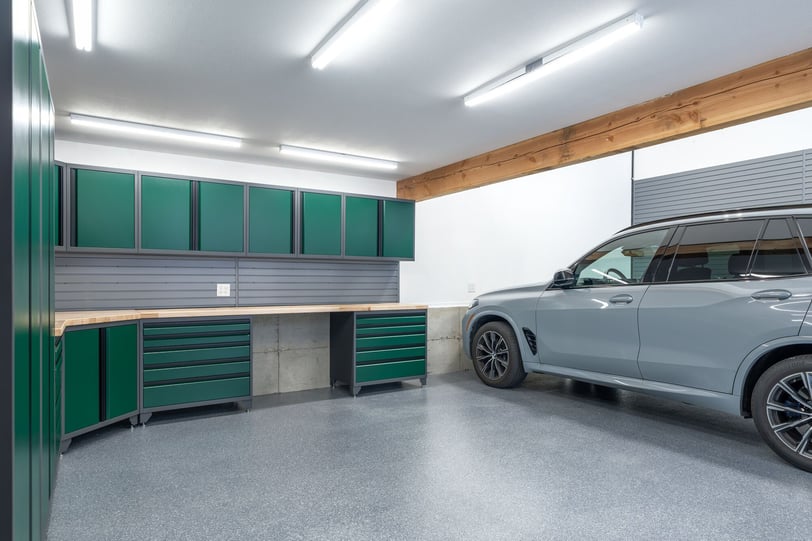
Professional-grade garage storage uses materials rated for real garage conditions. Powder-coated steel construction, 150-pound ball bearing drawer sliders, and 18-gauge steel cabinets from Garage Living handle heavy loads and resist moisture damage over time.
8. Forgetting about lighting
A renovated garage with poor lighting fails to showcase the investment and makes the space difficult to use. Many homeowners upgrade floors and storage but leave a single incandescent bulb in the ceiling.
LED fixtures mounted along cabinet runs or integrated into slatwall systems illuminate work areas without creating shadows. Proper lighting makes the garage feel like a finished room rather than a dim utility space. Garage makeovers that include integrated lighting create more functional and visually appealing results.
9. Neglecting future needs
Designing only for current needs often creates problems later. Families grow, hobbies change, and vehicle needs evolve. A garage designed exclusively for today may not accommodate tomorrow's electric vehicle charger, workshop area, or additional storage requirements.
Build flexibility into your design. Include electrical capacity for future EV charging, plan wall space for evolving storage needs, and consider how your lifestyle might change over the next decade. Designer Series themes from Garage Living create cohesive foundations that adapt to changing requirements.
10. Attempting complex installations without professional help
DIY garage projects can save money on simple tasks, but complex installations often cost more in the long run when mistakes require professional correction. Floor coating failures, improperly anchored overhead storage, and misaligned cabinet systems frequently need complete removal and reinstallation.
Professional installers arrive with proper tools, manage permits when needed, and handle cleanup. They understand how materials behave in local climate conditions and adjust techniques accordingly. Professional installation also includes warranties and post-project support that DIY projects cannot match.
11. Failing to plan for maintenance
Every garage renovation requires some level of ongoing maintenance. Floors need periodic cleaning, cabinet hinges may need adjustment, and storage systems benefit from occasional reorganization as needs change.
Choose materials that minimize maintenance burdens. Fast-curing floor coatings resist stains and clean easily with standard household products. Powder-coated steel cabinetry wipes clean without special treatments. Planning for maintenance upfront prevents frustration and preserves your investment over time.
How to get your garage renovation right the first time
The common thread connecting all these mistakes is a lack of integrated planning. Approaching flooring, storage, and layout as separate projects almost guarantees suboptimal results.
Garage Living delivers turn-key garage transformations that consider every element from the initial design consultation through final installation. Our complimentary consultations include CAD visualizations so you can see exactly how your renovated garage will look and function before any work begins.
Schedule a consultation to discuss your garage renovation goals and avoid the mistakes that derail so many projects.
FAQs about garage renovation mistakes to avoid
What causes garage floor coatings to peel?
Floor coatings peel when the concrete surface is not properly prepared before application. Acid etching alone does not create the mechanical bond needed for long-term adhesion. Moisture trapped beneath the coating also causes bubbling and delamination as vapor pressure builds.
How long should a professional garage floor coating last?
A professionally installed polyurea or polyaspartic coating can last 15 years or longer with proper maintenance. Garage Living offers a ten-year limited warranty on Floortex flooring projects, reflecting confidence in the durability of professionally installed systems.
Why do retail storage systems fail in garages?
Retail storage systems are often designed for climate-controlled indoor environments. Garages experience temperature swings, humidity changes, and exposure to chemicals that cause these products to warp, rust, or deteriorate much faster than expected.
What is hot tire pickup and how do I prevent it?
Hot tire pickup occurs when warm tires soften a floor coating and bond to the surface. When the vehicle moves, the coating peels away with the tires. High-quality polyurea and polyaspartic coatings resist hot tire pickup because they remain stable at higher temperatures.
Should I install garage flooring or storage first?
The optimal approach addresses flooring and storage simultaneously as part of an integrated design. This ensures materials complement each other aesthetically and functionally. Garage Living complete makeovers coordinate all elements from the start.
How much space should I leave for vehicles in a renovated garage?
Allow at least three feet of clearance on the driver side for comfortable entry and exit. Account for door swing paths and leave walking lanes around stored items. A professional design consultation helps optimize space while ensuring adequate vehicle clearance.