.jpg)
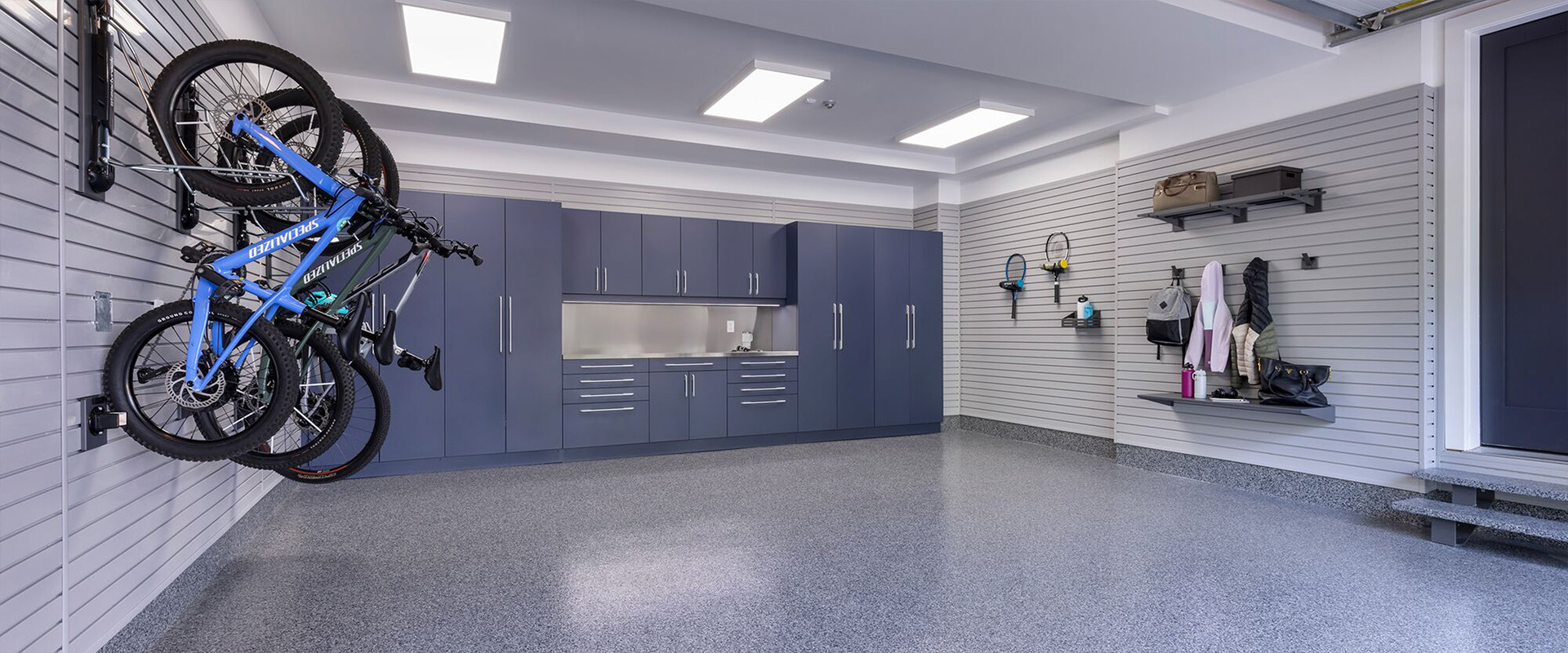
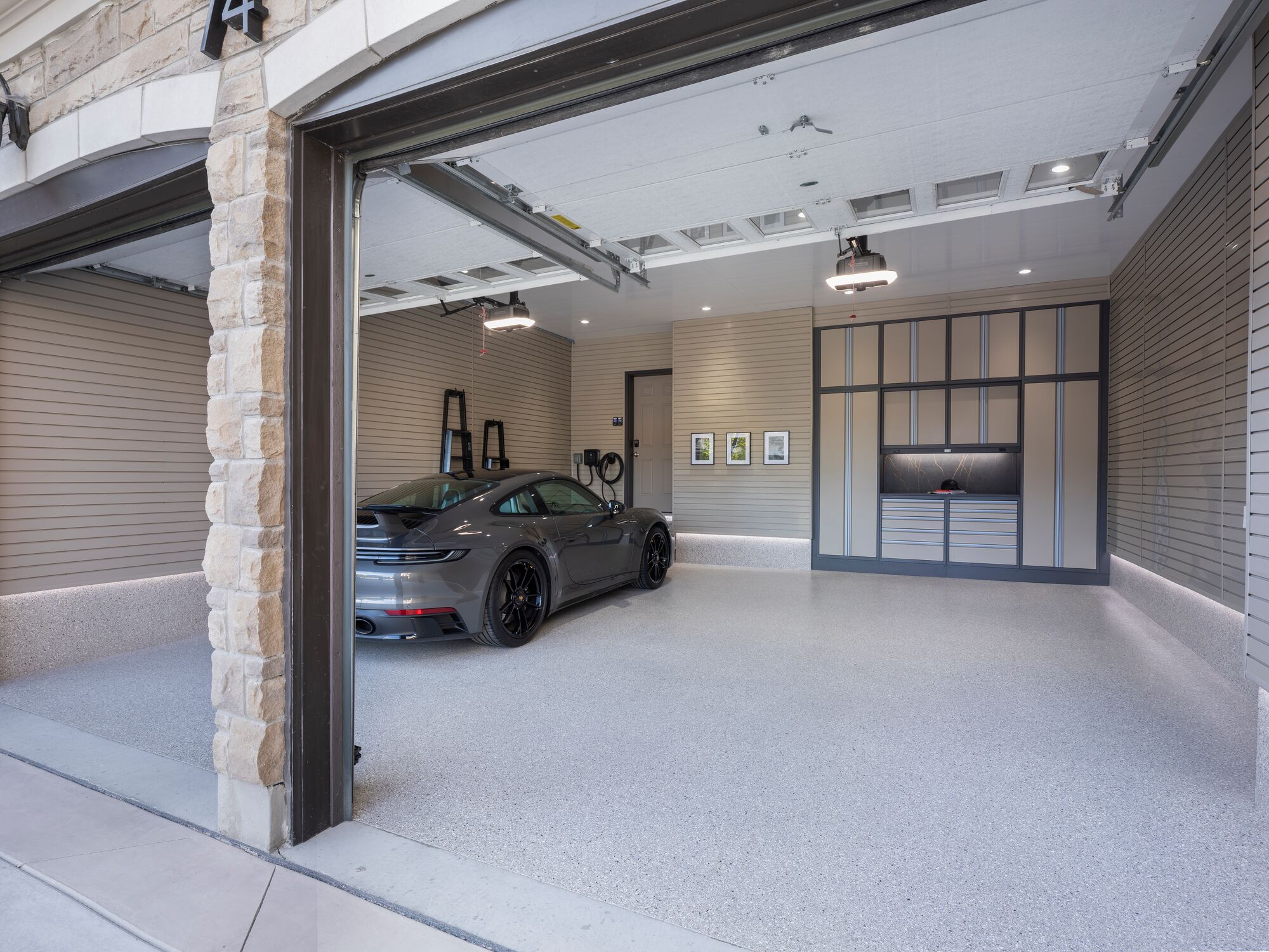
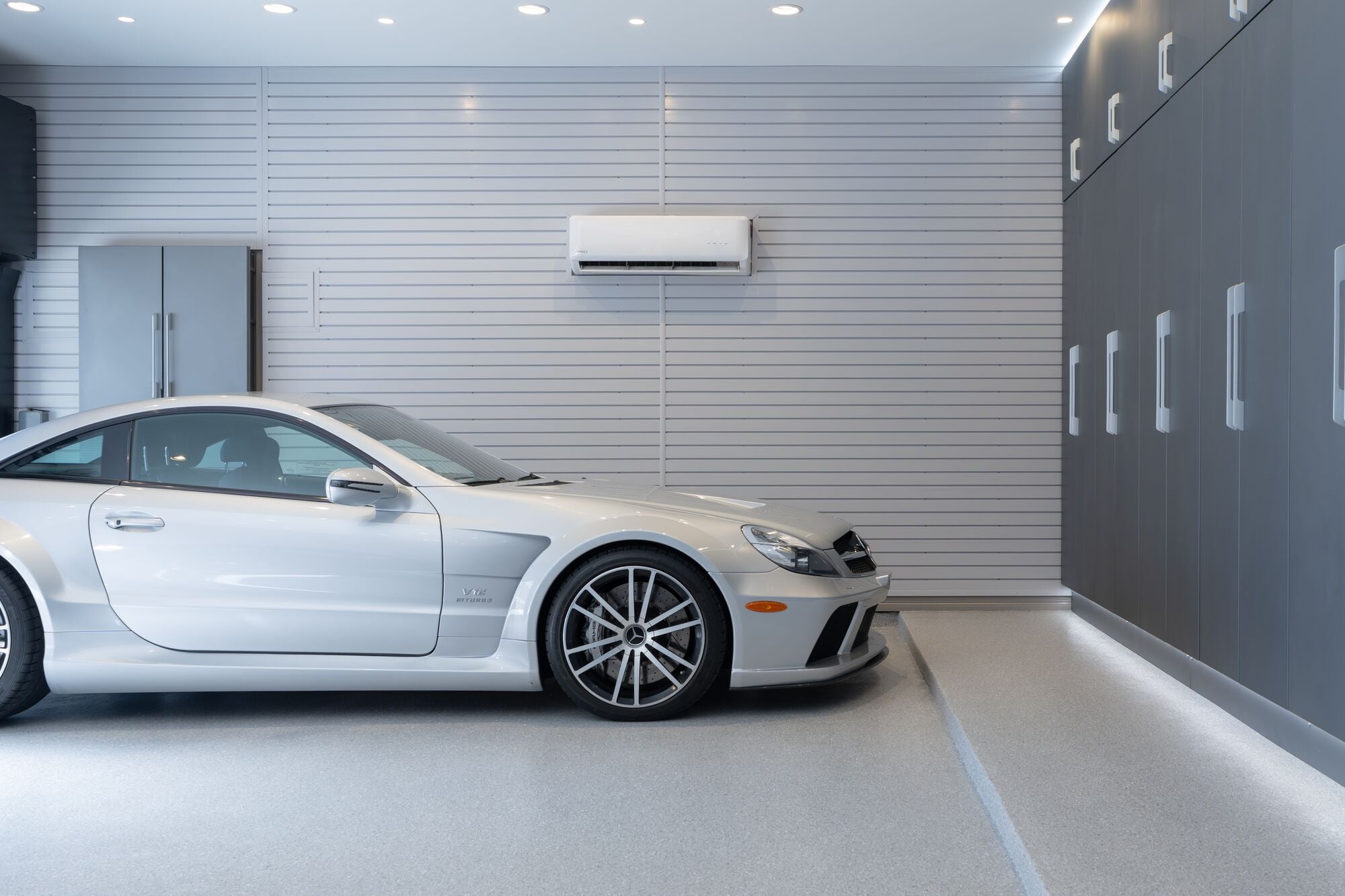
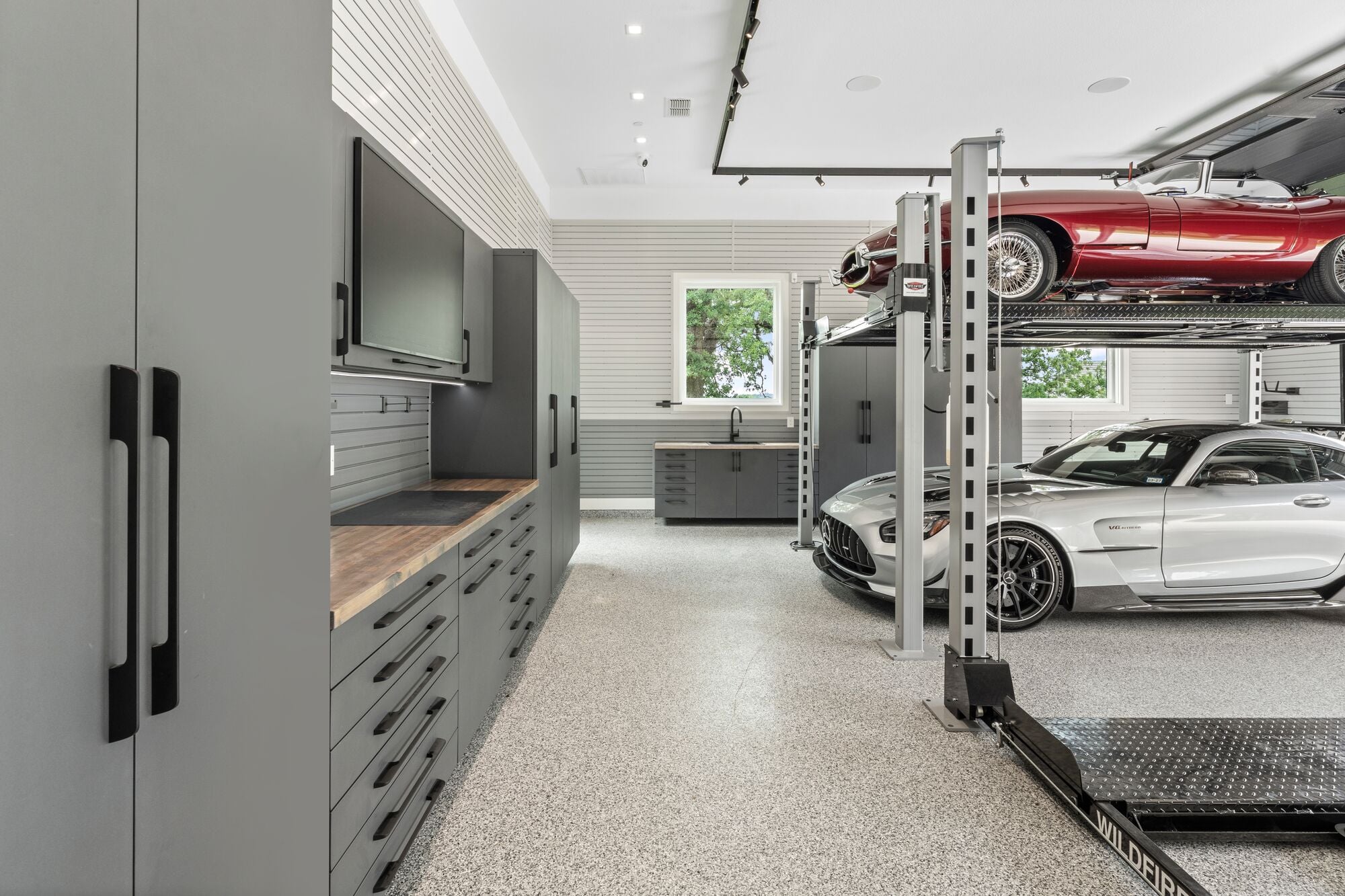
If you're upgrading your garage floor, you've likely encountered two popular options: polyaspartic and epoxy coatings. Both are significant improvements over bare concrete, but they perform differently when it comes to durability, installation time, and long-term appearance. Garage Living offers the Floortex® polyaspartic coating system, which addresses many of the limitations that traditional epoxy presents.
This guide breaks down the key differences between polyaspartic and epoxy garage floor coatings. You'll learn how professional installers evaluate these systems and what factors matter most for U.S. homeowners looking to protect their garage floors for years to come.
Key takeaways: polyaspartic vs epoxy garage coatings for U.S. homes
- Polyaspartic coatings cure in 24 hours or less, while epoxy systems require 3–7 days before your garage is fully usable.
- Epoxy tends to yellow when exposed to UV light, making polyaspartic a better option for garages with windows or natural light.
- Hot tire pickup is a common issue with epoxy floors—polyaspartic resists this problem due to its higher heat tolerance.
- Garage Living's Floortex® polyaspartic system offers a 21-year limited warranty and professional installation completed in as little as one day.
- Both coatings resist chemicals and stains, but polyaspartic outperforms epoxy in abrasion resistance and flexibility over time.
What is the difference between polyaspartic and epoxy garage floor coatings?
Polyaspartic and epoxy are both two-part coating systems that bond to concrete, but they differ in chemical composition and performance. Epoxy consists of resin and hardener that create a rigid, plastic-like surface. Polyaspartic is a type of polyurea that cures faster and remains more flexible after application.
This flexibility matters because concrete expands and contracts with temperature changes. Rigid epoxy coatings can crack or delaminate under these conditions, while polyaspartic moves with the substrate. Additionally, polyaspartic coatings penetrate deeper into the concrete, creating a stronger mechanical bond.
How long does each coating take to cure?
Cure time is one of the most significant differences between these two systems. Epoxy requires 24–72 hours before light foot traffic and up to 7 days before you can park vehicles on the surface. This extended downtime can be inconvenient, especially during busy seasons or when you need access to your garage quickly.
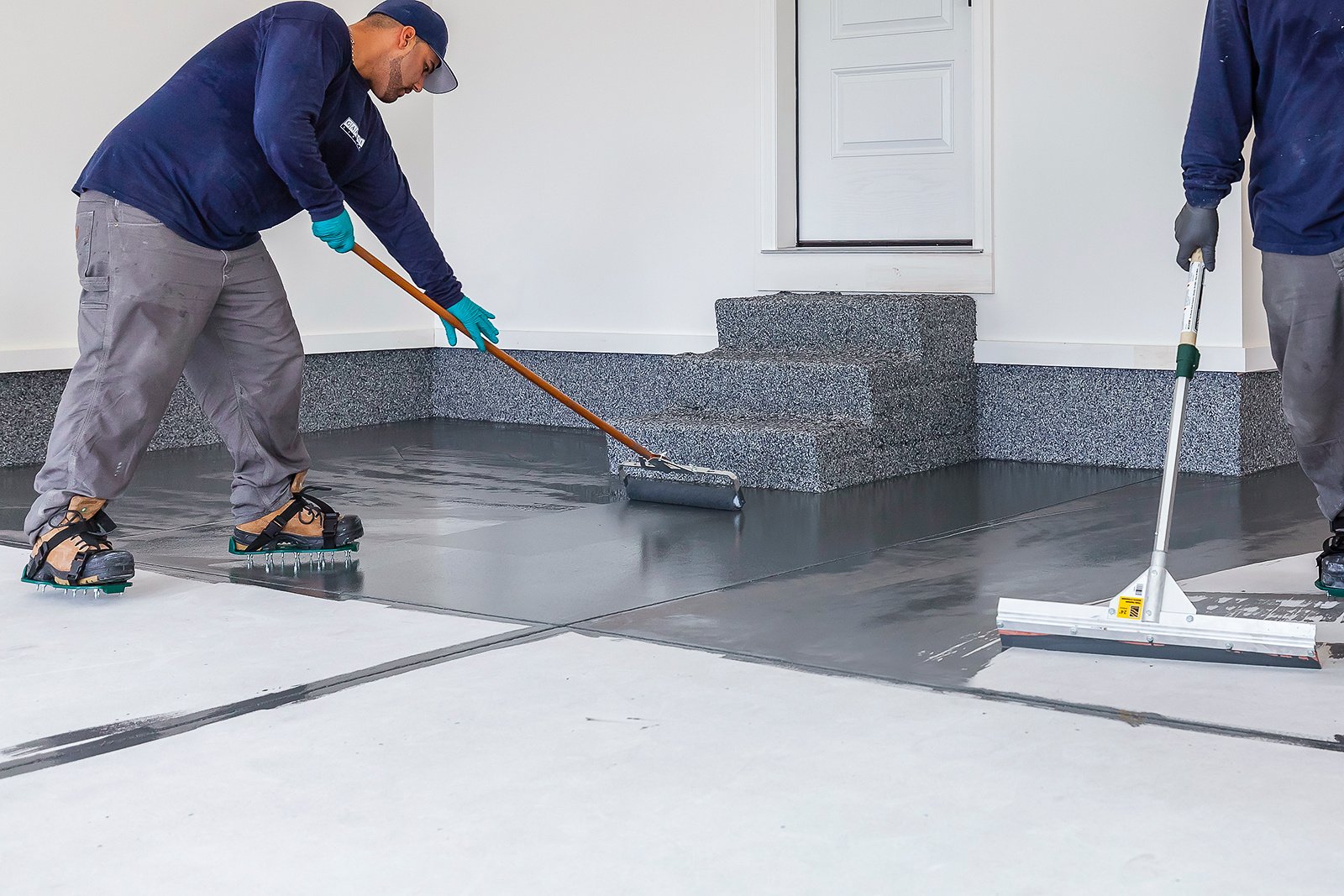
Polyaspartic coatings cure much faster—typically ready for foot traffic in 4–6 hours and vehicles in 24 hours. This rapid curing makes polyaspartic ideal for homeowners who cannot afford extended garage downtime. Professional installers can often complete a full polyaspartic application in a single day.
Why does UV resistance matter for garage floor coatings?
UV stability determines whether your garage floor will maintain its appearance over time. Standard epoxy is sensitive to sunlight and will yellow or amber when exposed to UV rays. If your garage has windows, skylights, or an open door during the day, this discoloration can become noticeable after just a few months.
Polyaspartic coatings are UV stable and will not yellow or fade with sun exposure. This makes them particularly well-suited for garages that receive natural light or for homeowners who frequently work with the garage door open. Garage Living's Floortex® system includes a UV-stable topcoat that maintains a high-gloss finish for years.
What is hot tire pickup and how do coatings prevent it?
Hot tire pickup occurs when warm tires from recently driven vehicles soften a floor coating and then pull it up when the car moves. This is a common problem with epoxy floors, especially in warmer climates or during summer months. The marks left behind can be permanent and unsightly.
Polyaspartic coatings have a higher heat tolerance than epoxy, which helps them resist hot tire pickup. The Floortex® polyaspartic coating system used by Garage Living is specifically formulated to handle the heat from vehicle tires without peeling or lifting. This durability makes polyaspartic a preferred choice for garages that house multiple vehicles.
How do professional installers choose between polyaspartic and epoxy?
Professional garage floor installers consider several factors when recommending a coating system. These include the garage's exposure to sunlight, local climate conditions, the homeowner's timeline, and how the space will be used. For high-traffic garages or those housing valuable vehicles, polyaspartic is often the recommended choice.
Proper surface preparation is critical regardless of which coating you choose. Professional installers use diamond grinding to profile the concrete and create a surface the coating can bond to. Garage Living follows a 5-step application process that includes diamond grinding, crack repair, base coat, decorative layer, and a durable clear topcoat.
How do these coatings compare for chemical and abrasion resistance?
Both polyaspartic and epoxy resist common garage chemicals like oil, gasoline, and household cleaners. However, polyaspartic coatings demonstrate superior resistance to abrasion and impact. This makes them more durable in garages where heavy equipment, tools, or rolling carts are used regularly.
Salt resistance is another important consideration for homeowners in regions with harsh winters. Vehicles track road salt into the garage, which can damage floor coatings over time. Polyaspartic coatings resist salt stains and corrosion better than standard epoxy, helping your floor maintain its appearance through multiple winter seasons.
How to choose the right garage floor coating for your home?
Your choice between polyaspartic and epoxy depends on your priorities. If you need minimal downtime, UV resistance, and protection against hot tire pickup, polyaspartic is the stronger option. Epoxy may work for budget-focused projects or garages with limited sun exposure, but its longer cure time and tendency to yellow make it less practical for most homeowners.
Garage Living installs the Floortex® polyaspartic coating system, which addresses the common shortcomings of epoxy while delivering professional-grade durability. With a 21-year limited warranty and installation completed in as little as one day, Floortex® gives you a garage floor that looks polished and performs under real-world conditions.
FAQs about polyaspartic vs epoxy garage coatings for U.S. homes
Is polyaspartic more durable than epoxy for garage floors?
Yes, polyaspartic coatings are generally more durable than epoxy. They offer better flexibility, UV stability, and resistance to hot tire pickup. Garage Living's Floortex® polyaspartic system also penetrates deeper into concrete for a stronger bond that resists peeling and delamination.
How long do polyaspartic garage floor coatings last?
A professionally installed polyaspartic coating can last 15–25 years with proper maintenance. Garage Living backs its Floortex® coating with a 21-year limited warranty, reflecting confidence in the system's long-term performance under normal residential use.
Can I apply epoxy or polyaspartic coating myself?
Epoxy is more forgiving for DIY application due to its longer working time. Polyaspartic cures rapidly, which leaves little room for error and typically requires professional equipment and training. For reliable results, professional installation is recommended for both systems.
Will my garage floor coating yellow over time?
Epoxy coatings often yellow when exposed to UV light from windows or an open garage door. Polyaspartic coatings are UV stable and maintain their original color. Garage Living uses a UV-stable topcoat in its Floortex® system to prevent fading or discoloration.
What is the cost difference between polyaspartic and epoxy coatings?
Polyaspartic coatings have a higher upfront cost than epoxy, but they often deliver better long-term value due to faster installation, longer lifespan, and reduced maintenance needs. Many homeowners find that the durability of polyaspartic justifies the initial investment.