.jpg)
Selecting the right professional garage flooring services is one of the most important decisions you can make when planning a full garage renovation. Your garage floor sets the foundation for everything that follows, from cabinetry and storage systems to car lifts. A poorly chosen floor coating can crack, peel, or yellow within months, while the right choice can last for decades with minimal maintenance.
This guide walks you through everything you need to know about choosing garage flooring services that align with your renovation goals. You will learn about different coating types, how to evaluate installers, and what questions to ask before signing a contract.
How to choose garage flooring services in the U.S.
- Polyaspartic coatings outperform traditional epoxy in durability, curing time, and UV resistance for residential garages.
- Professional installation includes concrete preparation, surface repair, and proper coating application for long-term adhesion.
- Garage Living offers turn-key flooring services with Floortex® polyaspartic technology and a limited warranty on projects.
- Coordinating your floor coating with cabinets and storage systems creates a cohesive, finished look for the entire space.
- Homes with garages sell for approximately 31% more than comparable homes without them, according to recent market data.
What are the main types of garage floor coatings?
Understanding the differences between coating types helps you make an informed decision. Each option has distinct characteristics that affect durability, appearance, and installation requirements.
Epoxy floor coatings
Epoxy coatings use a two-part chemical reaction to create a hard, protective layer on concrete. This option offers good chemical resistance and comes in various colors. However, epoxy requires longer curing times, typically three to seven days before vehicle traffic is permitted.
Traditional epoxy also has some limitations. It can yellow when exposed to UV light, making it less ideal for garages with windows or open doors. Hot tires from recently driven vehicles can leave permanent marks on epoxy surfaces, a phenomenon called "hot tire pickup."
Polyaspartic floor coatings
Polyaspartic coatings represent a significant advancement in floor coating technology. These coatings cure much faster than epoxy, often allowing vehicle traffic within 24 to 96 hours. Polyaspartic formulas are UV stable, meaning they will not yellow or fade over time.
This coating type also resists hot tire pickup, salt stains, and chemical spills from automotive fluids. Garage Living's Floortex® coating is a polyaspartic system that bonds deep into concrete rather than sitting on the surface, creating a stronger long-term connection.
Polyurea floor coatings
Polyurea coatings are flexible and durable, offering good impact resistance. They cure quickly but can be challenging to apply correctly due to their fast reaction time. This leaves less room for error during installation and may result in poor adhesion if not applied by experienced professionals.
Concrete sealers
Penetrating sealers absorb into concrete to create a moisture barrier without changing the surface appearance. While sealers protect against water damage and freeze-thaw cycles, they offer minimal impact resistance. Sealers work well for outdoor applications but lack the durability needed for active garages.
Why does professional installation matter for garage flooring?
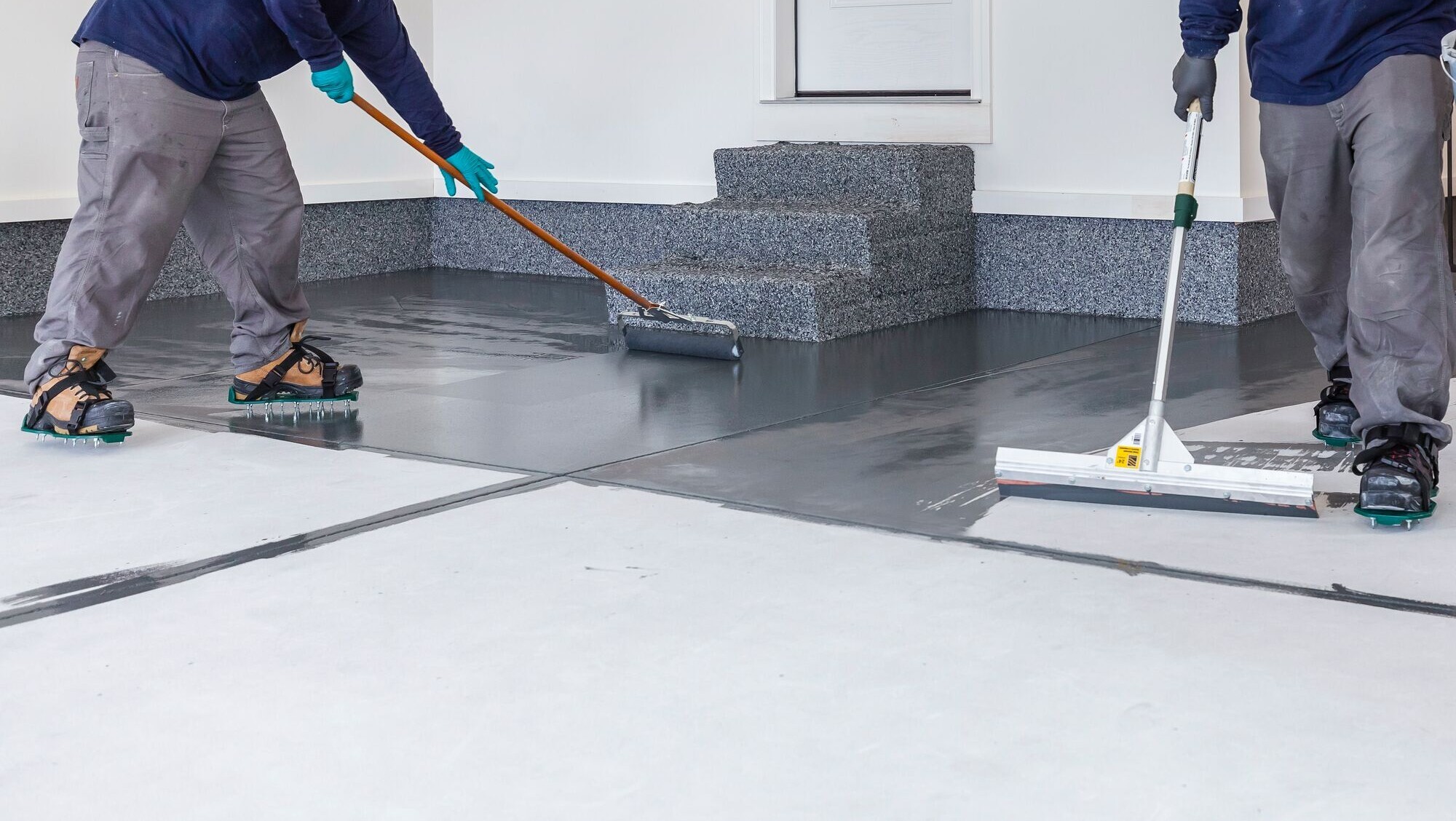
The quality of your garage floor coating depends heavily on how it is installed. Even the most advanced coating materials will fail if the concrete surface is not properly prepared or if application conditions are not controlled.
Concrete surface preparation
Professional installers begin by assessing the condition of your concrete. They identify cracks, spalls, and areas of moisture that could compromise adhesion. Diamond grinding removes the top layer of concrete, opening the pores for better coating penetration.
DIY kits often skip this critical step, relying instead on acid etching that only cleans the surface rather than properly profiling it. Without mechanical grinding, coatings may peel or delaminate within the first year.
Temperature and humidity control
Coating application requires specific environmental conditions. Most professional-grade coatings need temperatures between 50 and 90 degrees Fahrenheit. Humidity levels also affect curing time and final adhesion strength.
Professional installers have the equipment and experience to monitor these conditions throughout the application process. They can also work in a wider temperature range than DIY products, with some polyaspartic coatings suitable for application in temperatures as low as -40°F.
Crack and damage repair
Existing cracks and damage must be addressed before coating application. Professionals use specialized repair compounds that bond to both the existing concrete and the new coating. Skipping this step allows cracks to telegraph through the finished surface.
What questions should you ask garage flooring service providers?
Vetting potential installers helps you avoid common pitfalls and select a company that will deliver lasting results. Ask these questions during your initial consultation.
What coating system do you use?
Find out whether the company uses epoxy, polyaspartic, or a combination system. Ask about the specific brand and formulation. Professional-grade coatings differ significantly from consumer-grade products in terms of thickness, durability, and longevity.
Companies that use 100% aliphatic polyaspartic rather than blended formulas typically deliver better UV stability and color retention. Garage Living uses exclusively commercial-grade polyaspartic technology across all flooring installations.
How do you prepare the concrete?
Ask specifically about diamond grinding versus acid etching. Diamond grinding creates a better surface profile for coating adhesion. Find out whether the company repairs cracks and spalls as part of their standard process or charges extra for these services.
What warranty coverage do you offer?
Reputable installers stand behind their work with meaningful warranty coverage. Ask what the warranty covers, including delamination, hot tire pickup, and color fading. Find out whether the warranty is prorated or full coverage for the stated period.
Also ask about the company's track record. How many garage floors have they installed? How long have they been in business? Request references from recent customers in your area.
What does the installation timeline look like?
Professional polyaspartic installations can often be completed in a single day, with vehicle traffic permitted within 24 to 72 hours. Epoxy installations typically require multiple days and longer curing periods. Understand the full timeline so you can plan accordingly.
How do garage flooring services fit into a full garage renovation?
Your floor coating choice affects every other element of your garage renovation. Planning these components together creates a cohesive space that functions well and looks intentional.
Coordinating flooring with cabinetry
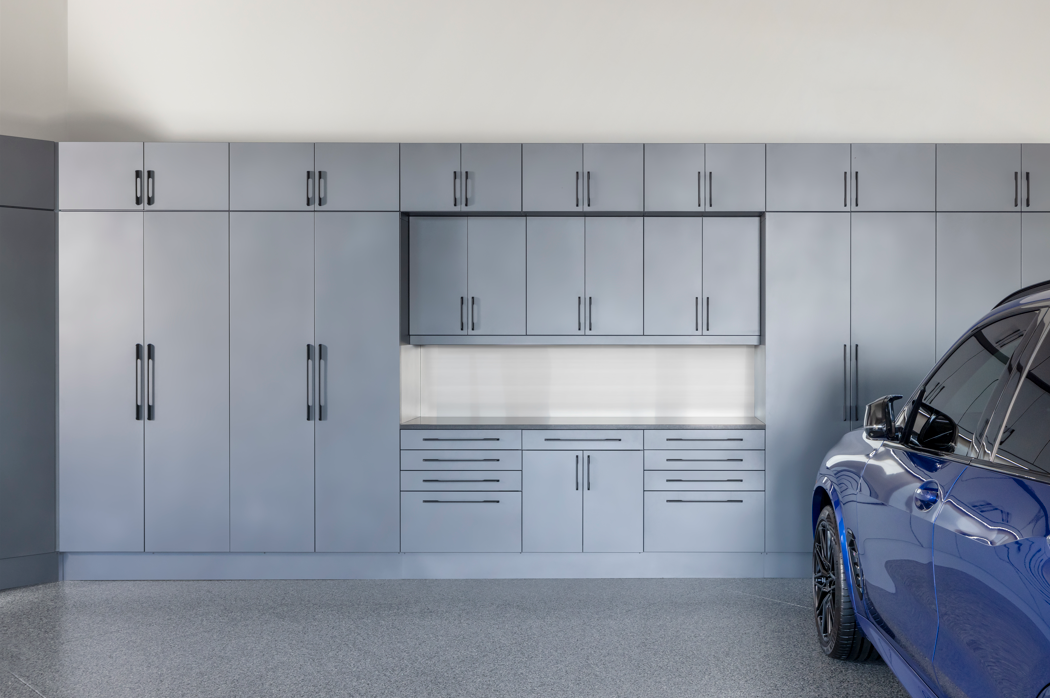
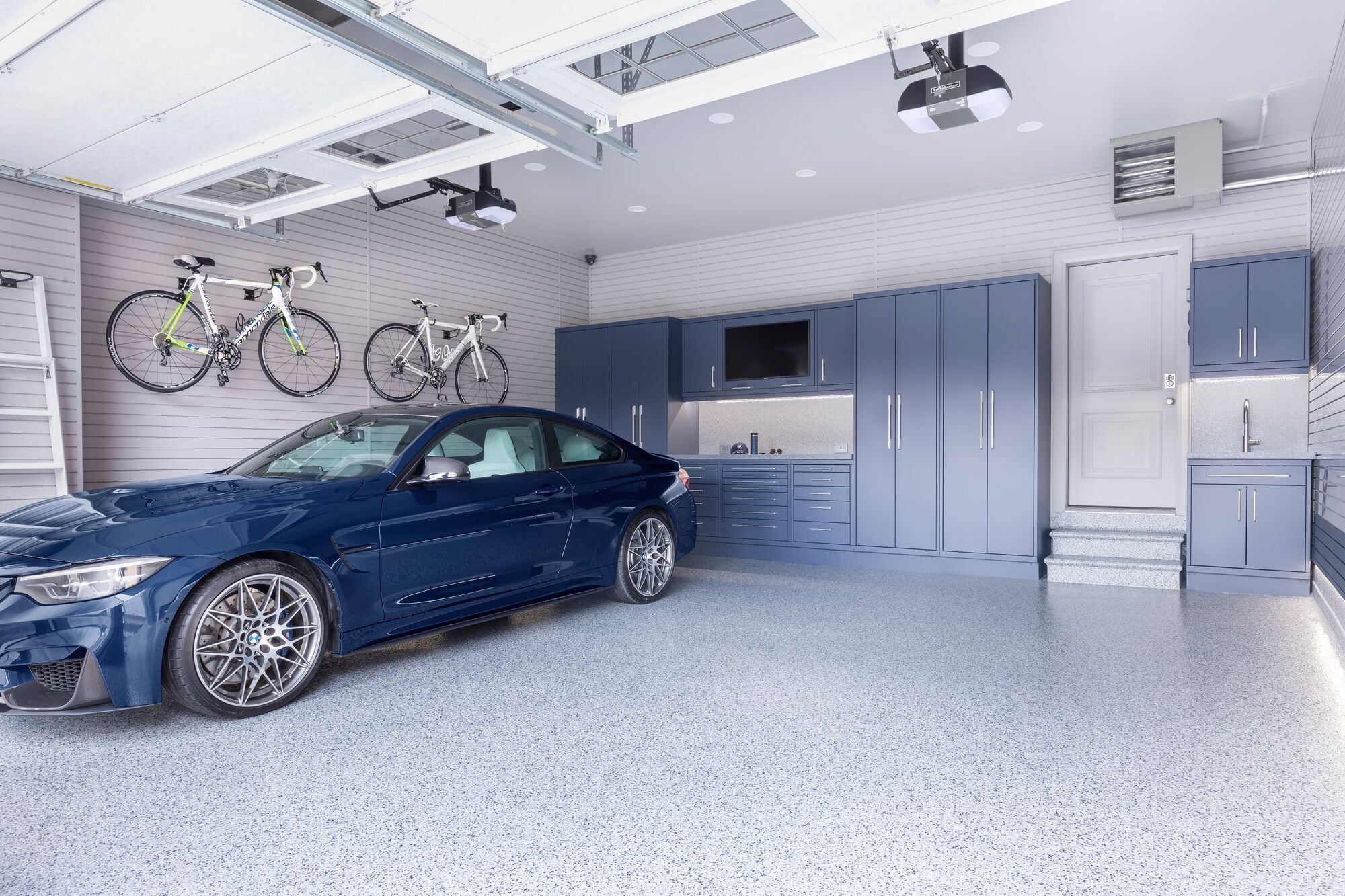
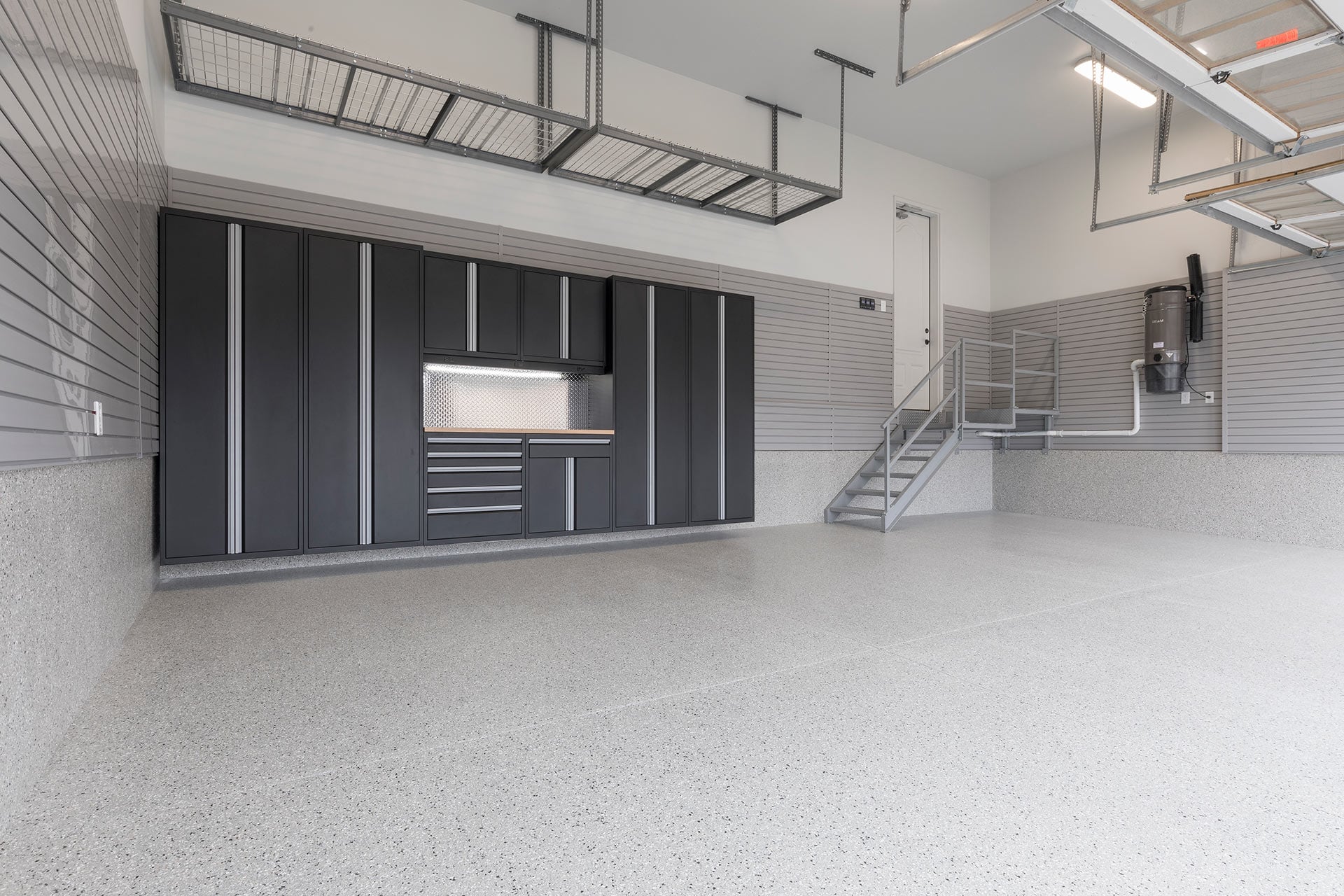
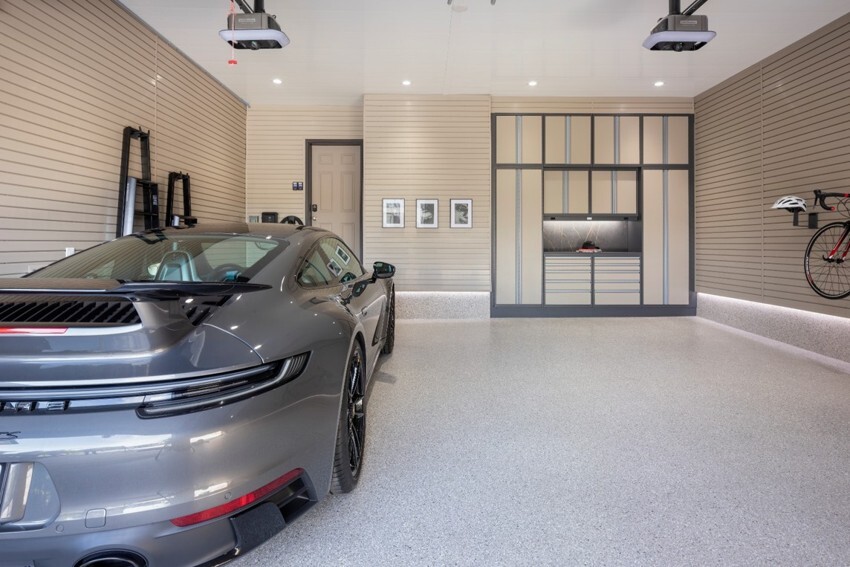
The color and finish of your garage floor should complement your cabinetry choices. Neutral gray floors work well with both warm wood-tone cabinets and modern metallic finishes. High-contrast combinations, such as dark cabinets with light floors, create visual interest.
Consider the overall design direction before selecting your floor color. Garage Living's Designer Series themes offer pre-coordinated floor and cabinet combinations for homeowners who prefer a simplified design process.
Timing your renovation components
Garage flooring should typically be installed before cabinets, slatwall, and other fixed elements. This sequence allows the coating to extend under cabinetry for a finished look and makes future floor maintenance easier.
However, you will want to finalize your full renovation plan before the floor installation. Knowing where cabinets, workbenches, and car lifts will be positioned allows the installer to address any specific requirements in those areas.
Integrating storage systems
Your floor coating needs to withstand the demands of your storage configuration. If you plan to install car lifts, the floor must handle concentrated loads. Heavy cabinet systems also require durable flooring underneath.
Discuss your storage plans with your flooring installer. They can recommend coating thickness and preparation methods appropriate for your intended use.
What should you expect during the installation process?
Understanding the installation process helps you prepare your garage and set realistic expectations for project completion.
Pre-installation preparation
You will need to clear your garage completely before the installation team arrives. Remove all vehicles, stored items, and wall-mounted accessories. The floor must be fully accessible for grinding, cleaning, and coating application.
Notify your installer about any known issues with your concrete, such as previous coatings, oil stains, or moisture problems. These factors may require additional preparation steps.
Day of installation
Professional installers typically arrive with all necessary equipment and materials. The process begins with concrete grinding to create a proper surface profile. Cracks and damage are repaired, and the surface is thoroughly cleaned.
The coating is then applied in multiple layers, with each layer allowed to partially cure before the next is added. Decorative flakes or chips are broadcast into the wet coating if you have selected that option. A clear topcoat seals the finished surface.
Post-installation care
Follow your installer's guidance on curing times before walking on or driving on the new floor. Most polyaspartic coatings allow foot traffic within 12 hours and vehicle traffic within 24 to 72 hours.
Once fully cured, polyaspartic floors are easy to maintain. Regular sweeping and occasional mopping with mild detergent keep the surface looking new. Avoid harsh chemicals or abrasive cleaners that could damage the topcoat.
How do you evaluate the quality of a completed garage floor coating?
Knowing what to look for helps you assess the quality of work before your final payment and identify any issues that need correction.
Visual inspection
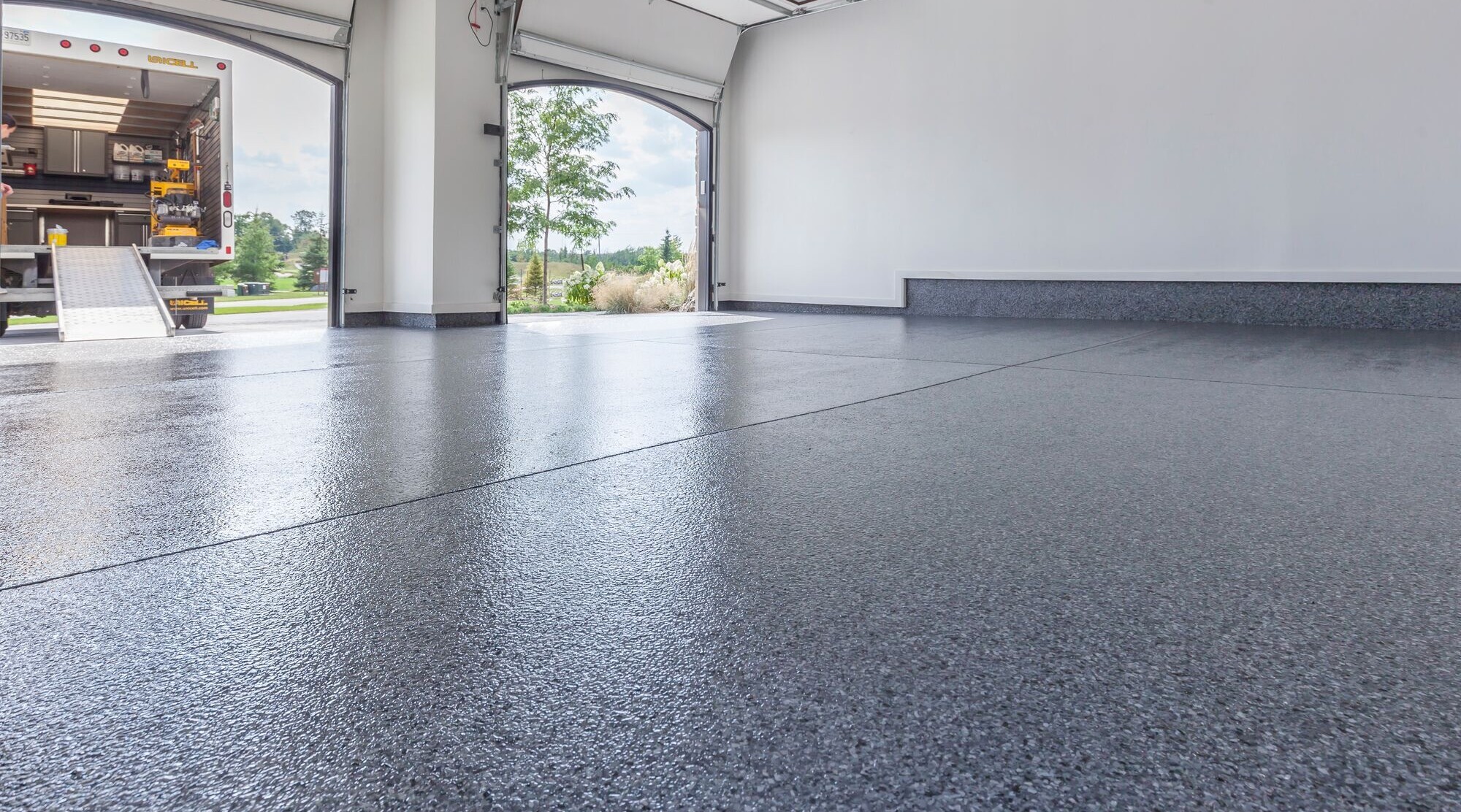
A well-applied coating should have consistent color and texture across the entire surface. Look for areas of thin coverage, bubbles, or debris trapped in the finish. The edges where the floor meets walls should be clean and well-defined.
Check that decorative flakes are distributed evenly if you selected that option. Uneven coverage can indicate rushed application or improper technique.
Adhesion testing
Professional installers can perform simple adhesion tests to verify the coating has bonded properly to the concrete. If you notice any areas where the coating seems loose or can be peeled away, address this with your installer immediately.
Documentation and warranty
Request copies of your warranty documentation and any product specification sheets. Keep records of when the installation was completed and what products were used. This information will be valuable if you need to file a warranty claim in the future.
What is the long-term value of professional garage flooring?
Investing in professional garage flooring services pays dividends beyond the immediate visual improvement. Quality flooring contributes to your garage's functionality and your home's overall value.
Impact on home resale value
According to recent research from Alan's Factory Outlet analyzing over 42,000 home sales, homes with garages sell for approximately 31% more than comparable homes without them. Properties with finished garages that include quality flooring and storage systems appeal to buyers seeking move-in-ready homes.
Real estate professionals note that upgraded garages photograph well for listings and create positive first impressions during showings. A clean, well-finished garage floor signals that the homeowner has maintained the property carefully.
Reduced long-term maintenance
Quality floor coatings protect your concrete from damage caused by oil, salt, chemicals, and moisture. This protection reduces the need for costly concrete repairs over time. The non-porous surface also prevents dust accumulation, making cleaning faster and easier.
Enhanced daily use
A finished garage floor creates a more pleasant space to use daily. The surface is easier on your feet if you spend time working in the garage. Bright, reflective coatings improve visibility and make the space feel larger and cleaner.
How does Garage Living approach professional garage flooring services?
Garage Living offers a turn-key approach to garage flooring that addresses every step from consultation through installation. This integrated process helps homeowners achieve their renovation goals efficiently.
Complimentary design consultation
The process begins with a complimentary design consultation. A garage design expert assesses your space, discusses your goals, and provides recommendations tailored to your specific situation. This consultation can take place at your home or in a Garage Living showroom.
CAD-based design visualization
Once your goals are understood, the design team creates scale drawings using CAD software. These visualizations help you see how your finished garage will look and function before any work begins. You can review different flooring colors and see how they coordinate with your planned cabinetry and storage systems.
Professional installation teams
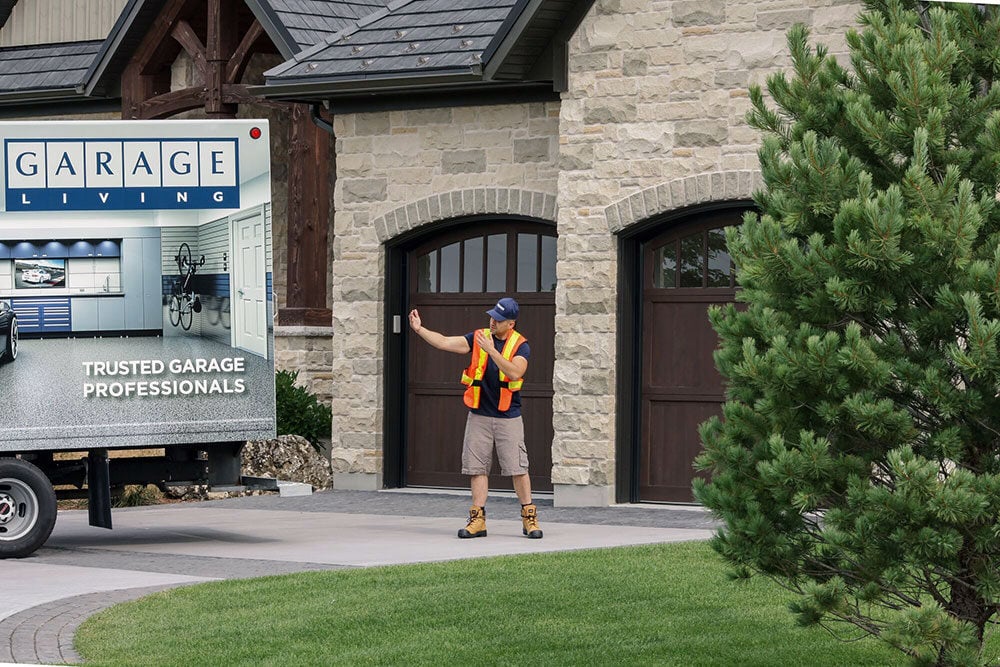
Garage Living's installation teams specialize in residential garage transformations. They arrive with all necessary equipment and complete most flooring projects within a single day. The teams are fully insured with both liability and workers' compensation coverage.
The Floortex® coating system includes diamond grinding for surface preparation, crack and spall repair, and a multi-coat application process. The finished floor comes with a limited warranty that reflects Garage Living's confidence in their materials and workmanship.
FAQ about choosing garage flooring services
What is the difference between epoxy and polyaspartic garage floor coatings?
Epoxy coatings cure slowly, often requiring several days before vehicle traffic. Polyaspartic coatings cure much faster and are UV stable, meaning they will not yellow over time. Polyaspartic also resists hot tire pickup, a common problem with traditional epoxy floors.
How long does professional garage floor coating installation take?
Most professional polyaspartic installations can be completed in a single day. Garage Living's Floortex® system allows foot traffic within 12 hours and vehicle traffic within 24 to 72 hours, depending on conditions and the specific coating system used.
Why is concrete preparation important before applying a floor coating?
Proper concrete preparation creates a surface profile that allows the coating to bond deeply into the concrete. Diamond grinding opens the pores of the concrete for maximum adhesion. Skipping this step often results in peeling and delamination within months.
Can I install garage floor coating myself instead of hiring professionals?
DIY kits are available, but they typically use lower-grade materials and rely on acid etching rather than diamond grinding. Professional installation ensures proper surface preparation, environmental control, and application technique. Garage Living's professional teams deliver consistent results backed by warranty coverage.
How do I choose a floor coating color that coordinates with my garage design?
Consider your cabinetry colors and overall design direction. Neutral grays work well with most cabinet finishes, while high-contrast combinations create visual interest. Garage Living offers coordinated Designer Series themes that simplify the color selection process.
What maintenance does a coated garage floor require?
Polyaspartic-coated floors require minimal maintenance. Regular sweeping removes loose debris, and occasional mopping with mild detergent keeps the surface clean. Avoid abrasive cleaners or harsh chemicals that could damage the topcoat.